Autonomous Vessel Embarks on Polar Circumnavigation for Climate Research
An uncrewed surface vehicle powered by wind and solar energy has departed on a treacherous 22,000 kilometer journey around Antarctica. The mission aims to capture high fidelity oceanographic data to decode global carbon absorption mechanisms.
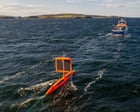
Departing from Hobart, the robust robotic vessel faces the notoriously volatile Southern Ocean without a single crew member on board. Equipped with advanced atmospheric and marine sensors, the craft will navigate freezing gales and towering swells to measure how polar waters ingest anthropogenic emissions. This deployment represents a major milestone in autonomous maritime engineering, testing the endurance of uncrewed systems in extreme climatic conditions. Institutional friction persists between traditional oceanographic institutions and proponents of autonomous data collection regarding methodology and data reliability. Skeptics question the longevity of mechanical components under prolonged exposure to subpolar icing and intense wave action. However, shrinking research budgets and the high cost of crewed polar research vessels have forced scientific consortia to embrace uncrewed alternatives. Downstream casualties include traditional research expeditions that rely on large government subsidies and extensive logistical support vessels. The tangible outcome will be a massive influx of continuous, real time carbon flux data that reshapes climate modeling algorithms and international emissions accounting frameworks over the coming year.
Comments 0