Aviation Safety Under Scrutiny as US Group Questions Silence on Boeing Fleet
An American aviation organization has formally requested the Air Accidents Investigation Branch to explain the absence of mandatory safety directives for the Boeing 787 fleet. The inquiry exposes deep procedural fractures in international airworthiness protocols following recent airborne structural incidents.
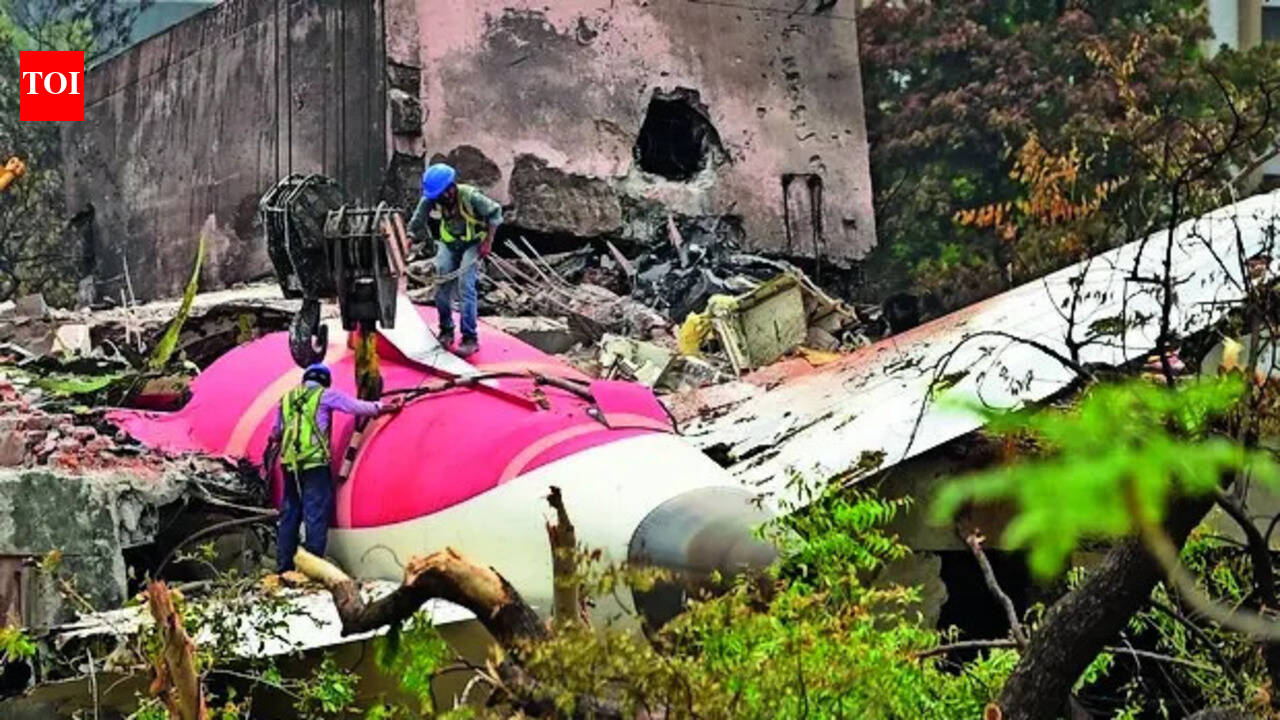
The formal inquiry launched by the American aviation group cuts directly to the core of commercial aviation governance. For months, independent engineers have whispered about structural fatigue markers within specific widebody configurations, yet regulatory bodies across multiple jurisdictions have maintained a posture of administrative quiet. By demanding accountability from British investigators, the association has broken the unspoken code of international regulatory deference, forcing a public examination of how cross-border airworthiness directives are negotiated, delayed, or suppressed. Beneath this procedural confrontation lies a profound economic tension between commercial continuity and passenger safety. Grounding a major long-haul fleet carries catastrophic financial ramifications for carriers already operating on razor-thin margins, creating immense lobbying pressure behind closed doors. Regulatory agencies frequently find themselves caught between the imperative to act on nascent anomaly data and the crippling economic fallout of imposing sudden fleet-wide restrictions. This institutional friction often results in protracted deliberations where safety warnings are diluted into advisory notes rather than mandatory grounded inspections. The immediate consequence of this public challenge is a fractured enforcement environment where passengers fly under disparate safety interpretations depending on regional oversight. If investigators concede that warnings were improperly withheld, airlines face immediate insurance liability spikes and costly mandated retrofits. Conversely, an institutional refusal to issue directives will likely erode public trust in global aviation authorities, setting the stage for aggressive legislative interventions by parliamentary bodies seeking to strip regulators of their discretionary powers.
Comments 0