Ballistic Strike on Riyadh Marks Dangerous Expansion of Regional Conflict
Saudi authorities reported a targeted ballistic missile strike aimed at the capital by Yemen's Houthi movement. This security breach shatters a prolonged quiet phase and pulls Gulf state infrastructure directly into the ongoing war theater.
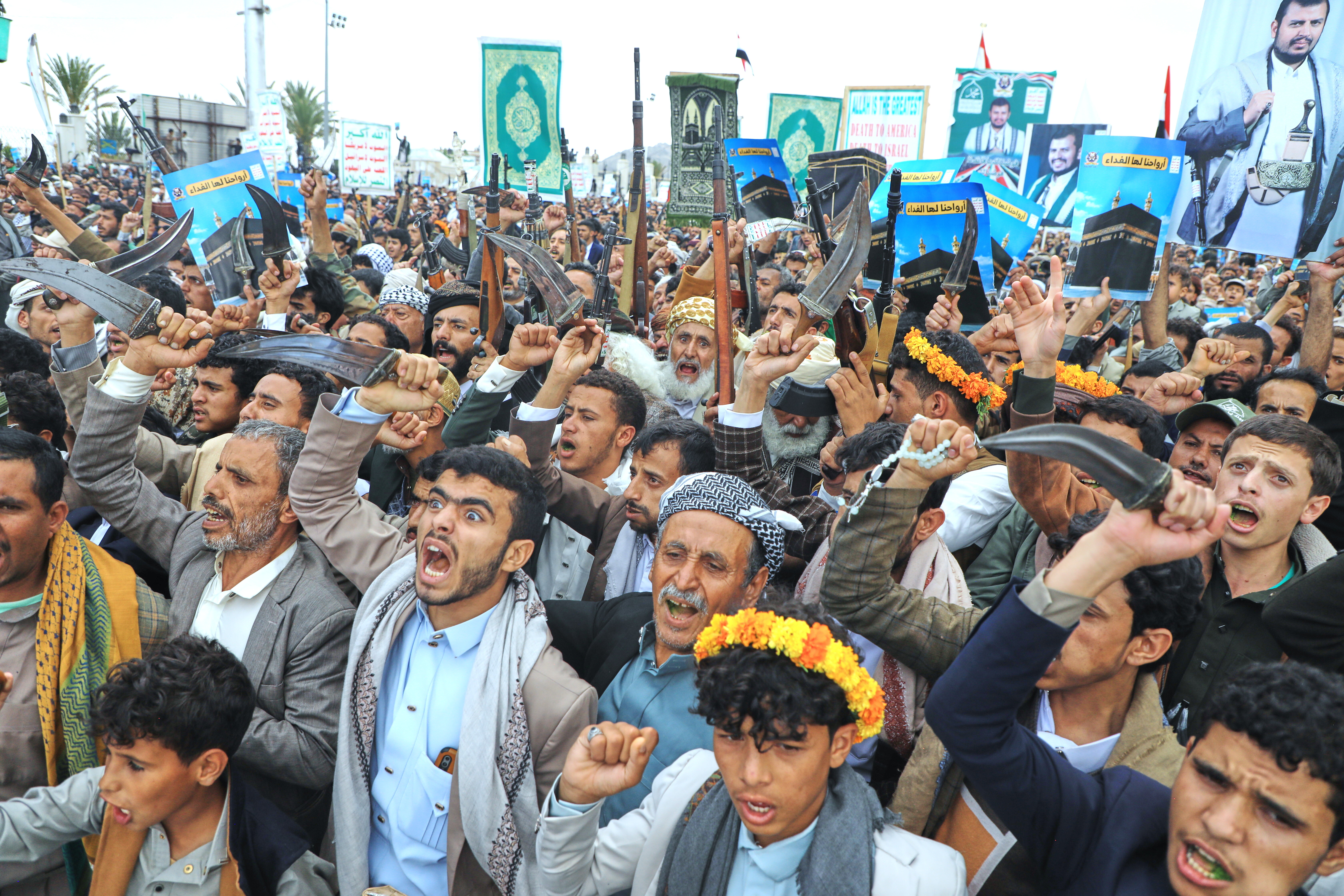
The morning silence over Riyadh was violently punctured by air defense batteries engaging an incoming projectile, marking the first direct assault on the Saudi capital since regional tensions intensified. Yemen's Houthi rebels claimed operational responsibility, signaling a deliberate escalation designed to test the kingdom's multi-layered missile shield and project power far beyond the southern border. For months, diplomatic channels had fostered a fragile containment architecture, but the physical debris falling within municipal perimeters demonstrates the utter fragility of these unwritten ceasefires. Defense analysts and diplomatic observers note that this kinetic escalation arrives at a delicate juncture for Saudi foreign policy, which has increasingly prioritized domestic economic transformation over military entanglements abroad. The security apparatus now faces an acute dilemma regarding retaliation; striking back risks unraveling ongoing peace talks with Tehran and Sanaa, yet failing to respond decisively invites further incursions. This dynamic exposes the limits of passive deterrence and forces Riyadh to recalibrate its defensive posture in real-time. The immediate consequence of the attack is a sharp rise in regional risk premiums and renewed anxiety across global energy markets that rely on uninterrupted Gulf stability. Commercial aviation routes over the Arabian Peninsula are experiencing immediate flight path adjustments, while foreign embassies in Riyadh have initiated internal security reviews. Ultimately, the strike confirms that peripheral conflicts cannot be safely quarantined from core economic centers as long as non-state actors possess long-range precision ordnance.
Comments 0