BCCI Mulls Adding New Franchises to Women’s Premier League from 2028
The Board of Control for Cricket in India disclosed that it is evaluating the expansion of the Women’s Premier League beyond its current five teams, with a view to introducing additional franchises by 2028. The move aims to broaden the competition’s reach and deepen commercial investment.
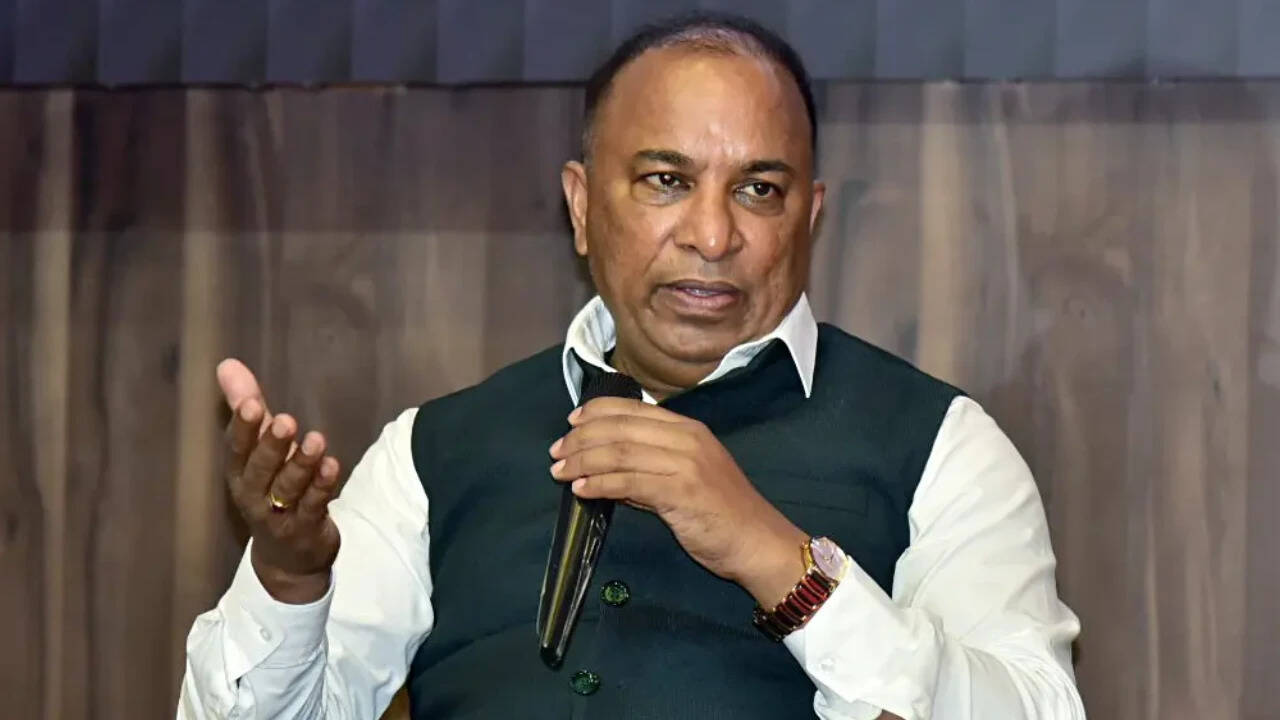
The concrete rupture was announced during a press briefing where BCCI secretary Devajit Saikia outlined a strategic review of the league’s structure, citing growing viewership numbers, increased sponsorship interest, and the desire to provide a larger platform for domestic talent. The proposal includes a phased addition of new teams, contingent upon meeting financial viability criteria and securing franchise owners capable of sustaining long‑term operational costs. This initiative reflects a deliberate effort to capitalize on the momentum generated by recent successful editions of the tournament.
Underlying tension lies in balancing the commercial aspirations of the league with the need to maintain competitive integrity and ensure equitable distribution of resources among existing and prospective teams. Critics argue that rapid expansion could dilute talent pools, strain broadcasting schedules, and create disparities in revenue sharing. Conversely, proponents contend that a larger league will stimulate grassroots participation, attract regional fan bases, and generate additional employment opportunities within the sport’s ecosystem.
The downstream casualties and tangible outcomes will likely involve a reshaping of the domestic women’s cricket calendar, with more matches leading to increased ticket sales, higher advertising revenues, and greater media rights valuations. Emerging players may benefit from expanded roster spots, enhancing their prospects for national selection. However, franchises that fail to secure sufficient financial backing could face early dissolution, underscoring the importance of rigorous vetting processes. Over the next few years, the league’s evolution may set a benchmark for women’s professional sports leagues in the subcontinent, influencing policy decisions in other disciplines.
Comments 0