Beijing Intervenes in Red Sea Crisis Following Riyadh Appeal to Curb Houthi Escalation
China formally requested that Iranian authorities exert influence over Yemeni Houthi forces to stabilize regional maritime corridors. The diplomatic maneuver highlights Beijing protecting critical energy supply lines following direct requests from Saudi leadership.
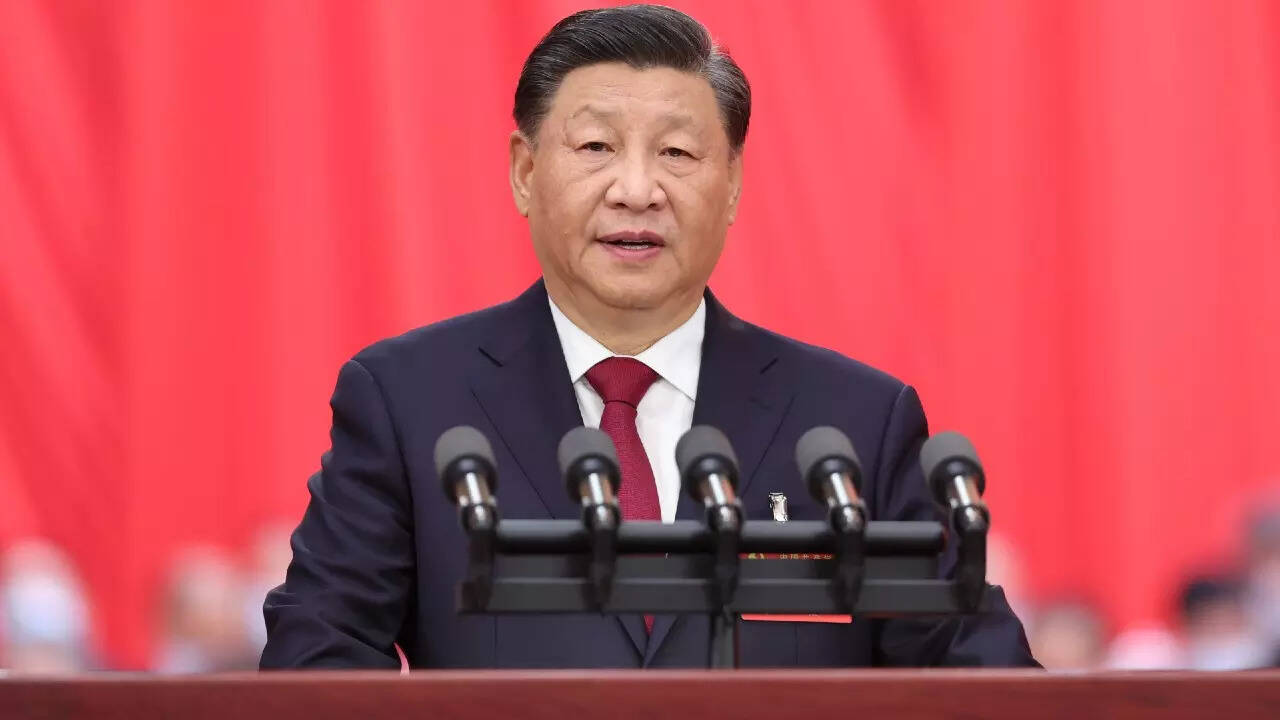
The diplomatic architecture of the Middle East shifted as Beijing stepped directly into security mediation normally reserved for Western powers. Reacting to severe disruptions along vital trade routes, Saudi Arabian officials bypassed traditional Western channels to solicit Chinese intervention. Because Beijing relies extensively on imported crude routed through the Red Sea and surrounding waterways, sustained instability directly threatens domestic economic stability and industrial output. Iran finds itself navigating a delicate diplomatic balance between regional proxy commitments and maintaining its primary economic lifeline with Beijing. China holds substantial economic leverage over Tehran through energy purchases and financial ties, making its request difficult for Iranian leadership to dismiss outright. This dynamic exposes the limits of independent proxy warfare when major global energy importers decide that commerce supersedes ideological posturing. Downstream consequences include shifting security dynamics across the Arabian Peninsula, where regional actors increasingly view Beijing as the primary arbiter of maritime security. Traditional Western naval dominance in the region faces a subtle erosion as commercial imperatives dictate diplomatic outcomes. For international shipping conglomerates, Chinese mediation offers the sole realistic prospect of lowering insurance premiums and securing safe passage through contested chokepoints.
Comments 0