Bengaluru Central Prison Launches Industrial Bakery Training Program to Create Sustainable Pathways for Inmates
Correctional facilities in Karnataka initiated a comprehensive vocational rehabilitation scheme equipping detainees with professional culinary and baking credentials. The initiative addresses recidivism rates by forging direct employment pipelines with commercial food enterprises upon release.
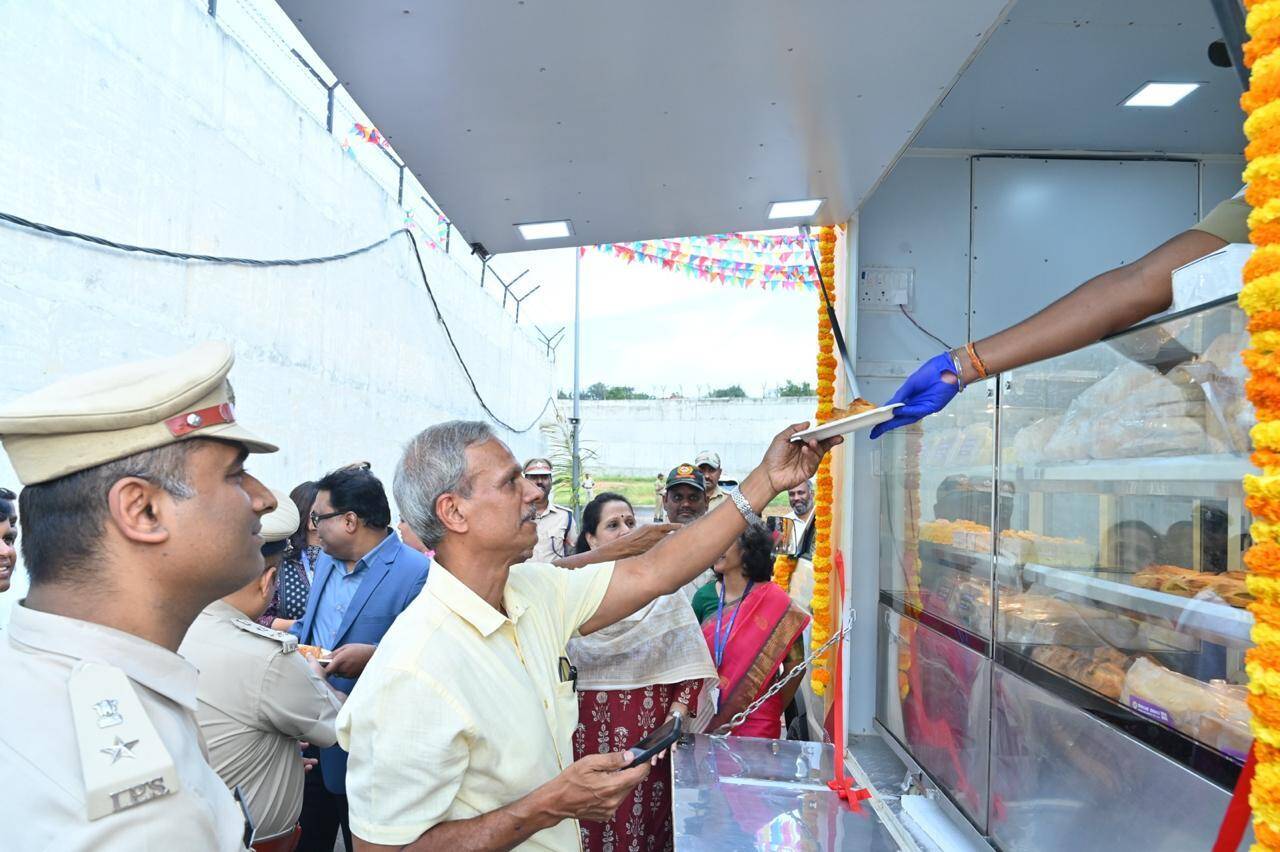
Incarceration paradigms within southern correctional institutions underwent a constructive evolution as prison authorities inaugurated an industrial-grade culinary training academy inside high-security perimeter walls. Partnering with commercial hospitality brands, the facility instructs inmates in commercial baking, kitchen management, and quality control standards. The curriculum is designed to impart marketable skills that command immediate demand in urban commercial markets. Prison administrators emphasized that traditional punitive models fail to address the socioeconomic drivers of crime, whereas targeted skill acquisition offers a viable bridge back into society. Inmates undergo rigorous selection processes before entering the kitchens, where discipline and output metrics mirror commercial industrial standards. Upon completion, participants receive certified diplomas that intentionally omit references to their penal origins to prevent hiring discrimination. Corporate partners participating in the scheme report high production quality from the prison bakery units, which now supply institutional clients across the metropolitan region. The commercial revenue generated directly subsidizes inmate welfare funds while reducing the long term societal costs of repeat offenses. This rehabilitative model demonstrates how institutional detention can be refocused toward productive economic reintegration.
Comments 0