Bengaluru Elderly Populations Find Cognitive Resonance Through Experimental Art Therapy
Memory care initiatives in urban Karnataka are utilizing painting workshops to combat cognitive decline among senior citizens. The program offers new non-pharmacological interventions for dementia management.
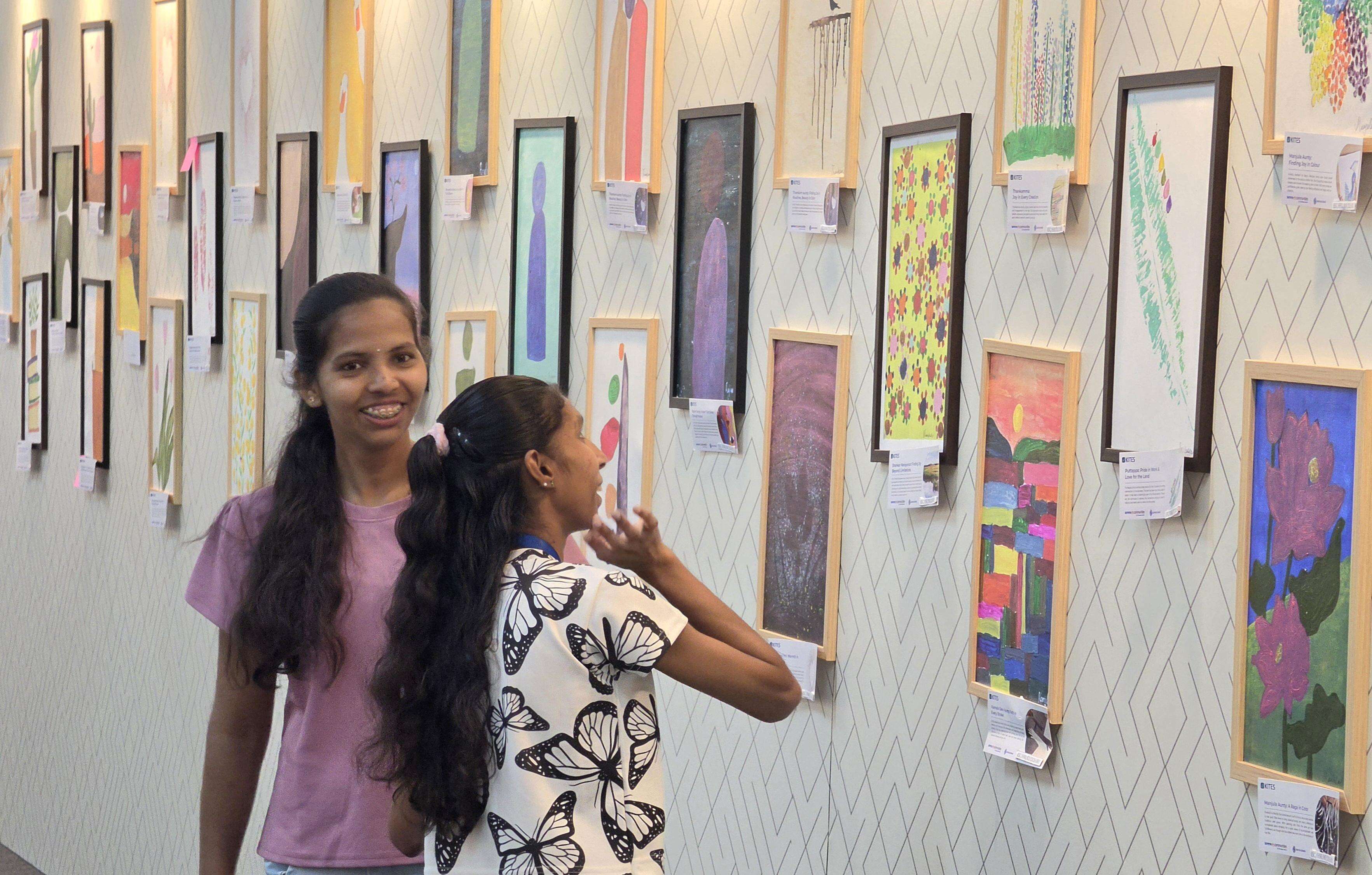
In metropolitan Bengaluru, specialized art therapy programs are transforming the clinical management of dementia among aging urban populations. By engaging patients in structured visual arts exercises, clinical facilitators are unlocking emotional expression in individuals experiencing severe cognitive degradation. This initiative challenges traditional medical paradigms that rely exclusively on pharmaceutical interventions for neurodegenerative disorders. Institutional resistance to non-conventional therapies remains a persistent hurdle within mainstream geriatric care facilities, where budget allocations favor chemical treatments over holistic wellness programs. Furthermore, skepticism from families unaccustomed to psychological support services for the elderly creates initial friction. Program organizers must navigate cultural stigmas surrounding mental health and cognitive decline in urban households. Measurable outcomes include improved communicative abilities, reduced anxiety levels among participants, and decreased reliance on sedatives. Families report renewed engagement from relatives previously rendered unresponsive by advanced dementia. The institutional success of these workshops encourages broader integration of expressive arts into standard geriatric care protocols across southern urban centers.
Comments 0