Bengaluru Plans Ten Mega Tree Parks to Expand Urban Greenery
The Karnataka government unveiled a blueprint for ten large‑scale tree parks intended to increase Bengaluru’s lung capacity. The initiative aims to counteract the city’s chronic air‑pollution and heat‑island effects.
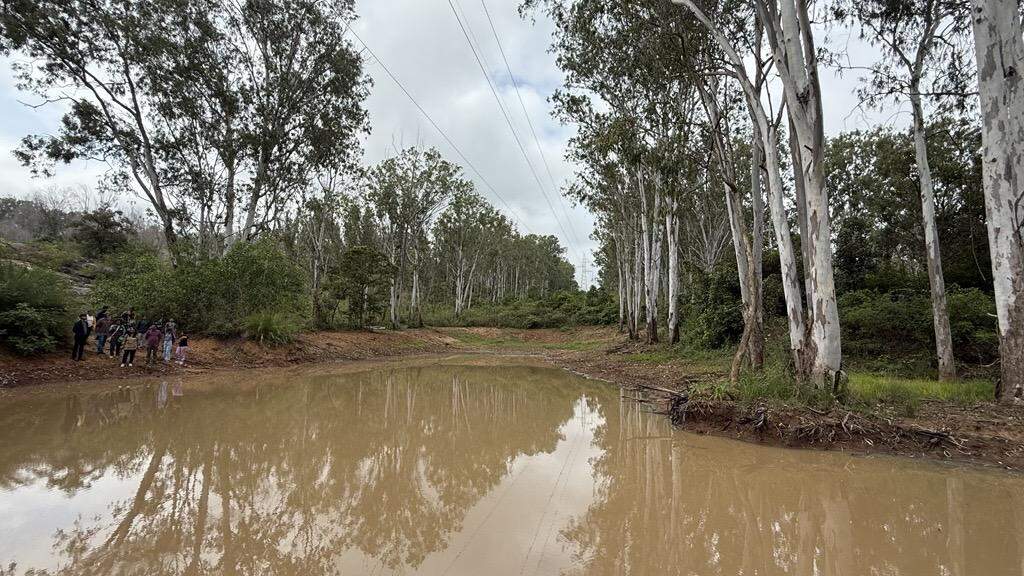
The concrete rupture manifested when municipal officials released detailed maps of the proposed parks, each spanning several hectares and featuring native species designed to absorb pollutants and provide shade. The plan, funded through a combination of state allocations and private sponsorships, promises to create new recreational corridors while enhancing ecological resilience. Early public response highlighted optimism that the green spaces could serve as buffers against the city’s notorious smog episodes.
Underlying tension revolves around land acquisition challenges and competing demands for urban development. Critics argue that allocating prime real‑estate for parks may constrain housing supply, driving up property prices. The city’s planning commission, however, contends that the long‑term health benefits and climate mitigation potential outweigh short‑term economic trade‑offs. Environmental NGOs have called for transparent monitoring of tree‑planting success rates and community involvement in maintenance.
Downstream casualties include a possible slowdown in commercial construction projects as authorities prioritize green zones, prompting developers to seek alternative sites. On the upside, the parks are expected to generate employment in horticulture, landscaping, and park management, while also offering residents improved mental‑health outcomes through increased access to nature. Air‑quality models predict a modest decline in particulate matter concentrations, contributing to a healthier urban environment over the coming year.
Comments 0