Bengaluru Prepares for Infrastructure Overhaul as Authorities Restrict Lane Closures on KIA Road
Bengaluru authorities have announced strict lane-closure protocols for the upcoming elevated corridor project along the Kempegowda International Airport Road. The measure aims to balance aggressive urban expansion with the daily agony of commuter traffic.
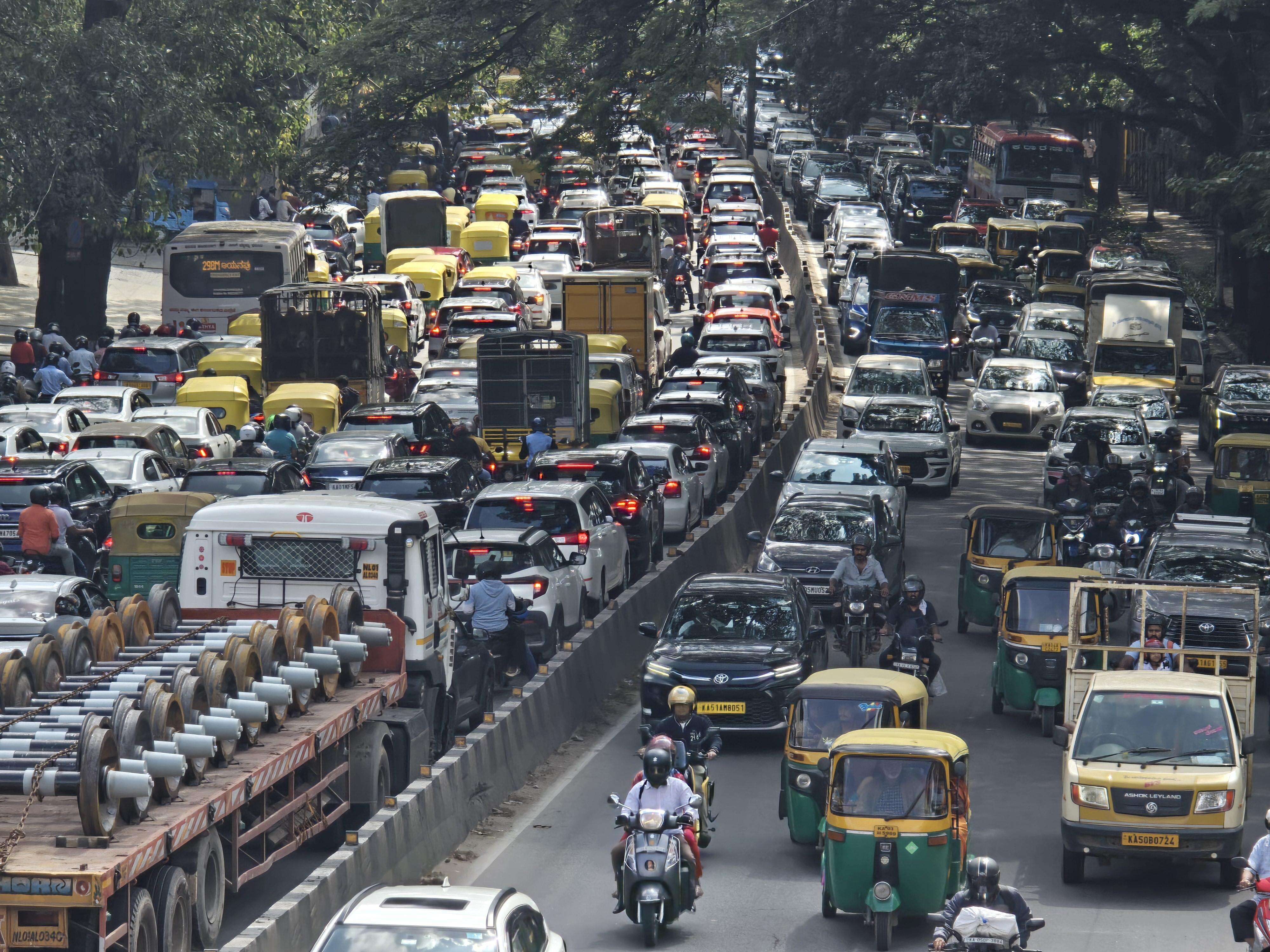
The asphalt arteries leading to Bengaluru's tech hubs are perpetual zones of congestion, where any minor obstruction can trigger monumental gridlocks stretching for miles. With the launch of the new elevated corridor project along the airport expressway, citizens braced themselves for months of nightmarish delays that typically accompany large-scale municipal engineering. In an effort to mitigate public anger, urban planners instituted a restrictive policy allowing contractors to block only a single lane at any given time. This operational constraint forces engineering teams to adopt high-precision construction methods rather than traditional, disruptive excavation strategies that paralyze entire city sectors.
The friction at the heart of this project exposes the classic tension between rapid infrastructural modernization and the immediate suffering of urban residents. Municipal authorities are constantly trapped between the political imperative to deliver high-speed transit corridors and the civic backlash generated by collapsing traffic management. Commuters have grown increasingly intolerant of administrative mismanagement, viewing mega-projects not as symbols of progress, but as engines of daily frustration. By limiting disruptions to a single lane, planners are attempting to thread a very narrow needle between completing necessary structural upgrades and maintaining the economic velocity of the city's primary technology corridor.
The downstream impact of this controlled approach will test the engineering prowess of municipal contractors, who must execute heavy construction under tight spatial and temporal constraints. If successful, this methodology could establish a new operational standard for civic works across metropolitan India, proving that infrastructure development need not choke urban life. For the daily commuter, the outcome means enduring prolonged project timelines in exchange for preserved mobility during peak operational hours. Ultimately, the project's success will be measured not just in concrete pillars erected, but in the minimal variance added to daily travel times.
Comments 0