Bengaluru Turns to Citizens to Repair Municipal Waste Failures
Bengaluru North corporation is seeking citizen participation to close gaps in waste management after municipal systems have failed to keep pace with urban demand. The appeal places household involvement at the centre of a basic-service crisis that residents cannot resolve through convenience alone.
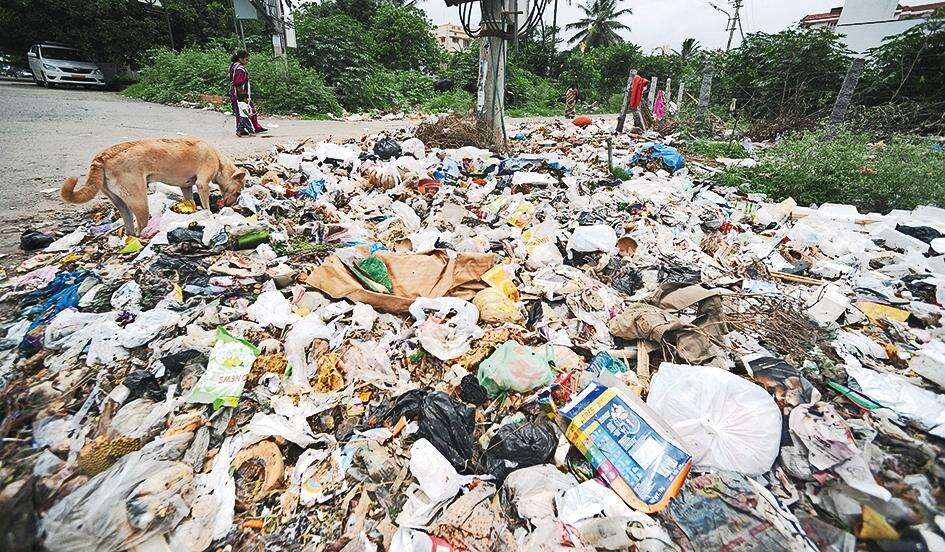
Bengaluru North corporation has invited citizens to participate more directly in addressing gaps in waste management. The move comes as a fast-growing city confronts the practical limits of relying on municipal collection systems to handle the volume and variety of refuse generated by urban households and businesses. By asking residents to take part, the authority is acknowledging that administrative machinery alone cannot guarantee a clean city when operational capacity falls short.
The underlying tension concerns responsibility within India's decentralised urban system. Civic bodies are legally charged with waste management, but residents, commercial establishments, informal workers and transporters all influence whether material is segregated, collected and processed. Citizen participation may improve compliance and local awareness, yet it can also transfer an institutional failure onto households that lack the time, equipment or authority to solve it. Without adequate funding, staff and enforcement, the result may be uneven neighbourhoods rather than a citywide improvement.
The tangible outcome will depend on whether participation produces measurable gains in collection and disposal. The corporation may gain more labour, reporting and local pressure, while residents bear added obligations and possible fees. If the programme succeeds, it could become a model for municipal bodies elsewhere in India confronting similar strains. If it fails, the city will have demonstrated that civic participation cannot substitute for sustained public investment in waste infrastructure.
Comments 0