Bengaluru’s BMTC Proposes Five New Feeder Routes for Pink Line Metro
The Bangalore Metropolitan Transport Corporation unveiled a plan to add five feeder bus corridors linking neighbourhoods to the pending Pink Line of the city’s metro system. The proposal promises to reshape commuter patterns and relieve pressure on existing roadways.
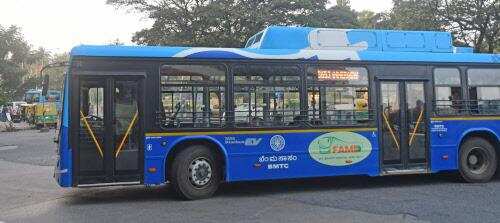
The Bangalore Metropolitan Transport Corporation released a detailed blueprint on Wednesday that outlines five new bus feeder routes designed to link residential clusters in the eastern and southern suburbs with the under‑construction Pink Line of the city’s metro network. The proposal includes dedicated lanes, real‑time tracking apps, and integrated ticketing that will allow commuters to transfer seamlessly between bus and rail services. Officials argue that the feeder system will address the current gap in last‑mile connectivity, which has forced many residents to rely on private vehicles despite the proximity of metro stations.
The initiative emerges against a backdrop of chronic traffic congestion that has plagued Bengaluru for over a decade, as rapid population growth outpaces the expansion of public transport infrastructure. Funding for the feeder routes is slated to come from a combination of state allocations and a public‑private partnership model, a structure that has previously sparked debate over fare pricing and service quality. Urban planners also note that the alignment of the new routes will intersect with several high‑density corridors, potentially alleviating pressure on the city’s arterial roads and reducing commute times during peak hours.
If implemented as scheduled, the feeder network is expected to shift a significant share of commuters from private cars to public transport, thereby lowering emissions and easing the strain on Bengaluru’s already overburdened road network. Real‑estate developers have already signaled interest in projects near the proposed bus stops, anticipating higher demand for housing with improved transit access. In the longer term, the success of the feeder system could serve as a template for other Indian metros seeking to integrate multimodal transport solutions, influencing policy decisions at the national level regarding urban mobility funding.
Comments 0