Bihar Demands Priority in Ganga Water Accord as State Chief Insists on Equitable Allocation
Bihar’s chief minister urged the central government to honour the state’s needs in the forthcoming Ganga water pact. The appeal underscores the growing contest over river‑share formulas among riparian states.
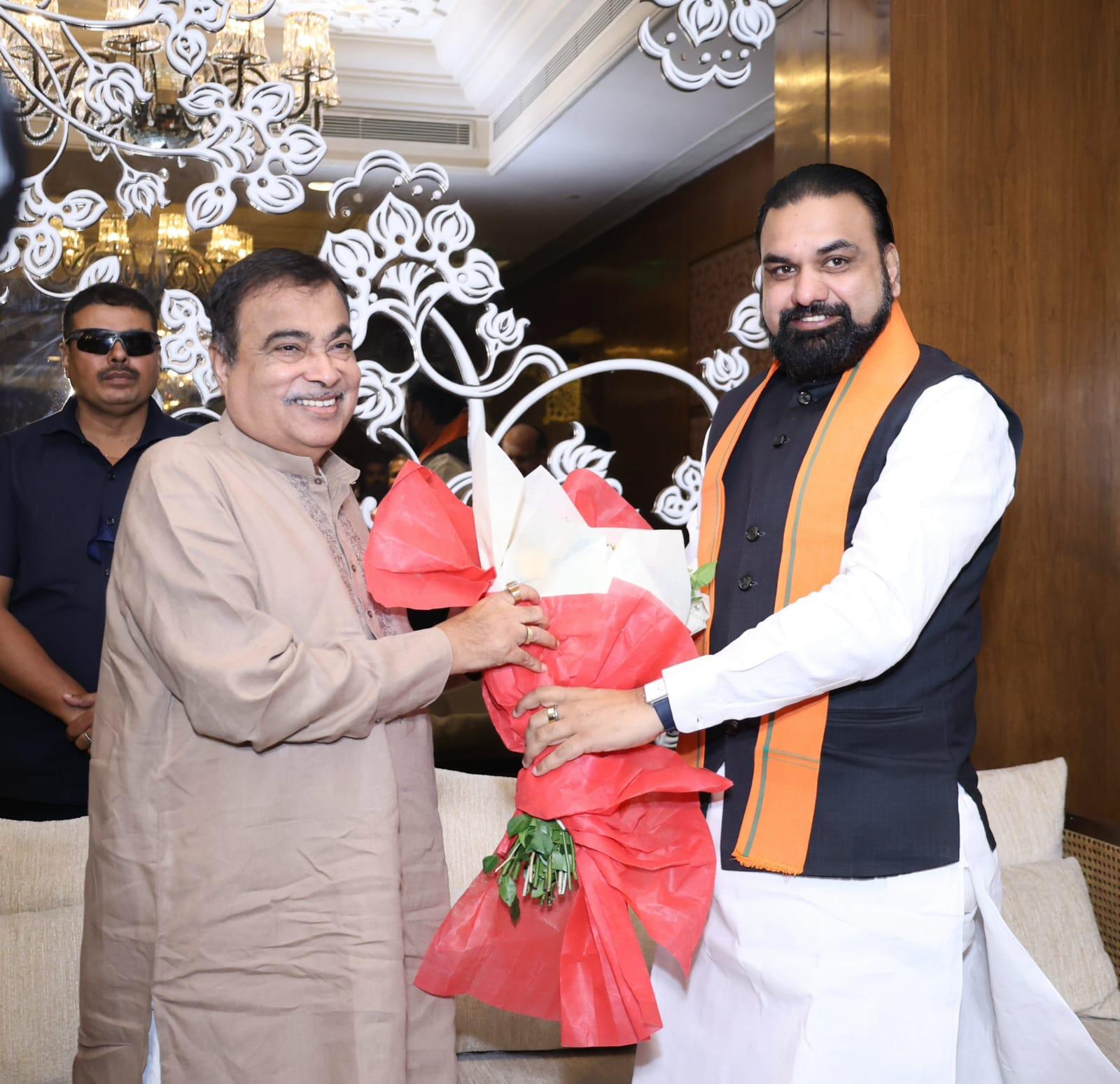
The call for a more favourable share in the Ganga water agreement arrived as the centre prepares a multi‑state framework to allocate river flows during lean seasons. Bihar, which relies heavily on the Ganga for agriculture and drinking water, argues that previous allocations have left its districts vulnerable to drought and crop loss. The chief minister highlighted recent shortfalls in irrigation and urged that any pact incorporate a minimum guaranteed quota for Bihar, citing demographic pressure and the state’s contribution to the river’s catchment.
Underlying the demand is a simmering tension between Bihar and neighboring states such as Uttar Pradesh and Jharkhand, each of which seeks to maximise its own water entitlement. Negotiations have been complicated by divergent priorities: some states favour hydro‑electric projects, while others prioritize agricultural irrigation. The central government’s role as mediator places it at the centre of a delicate balancing act, where political goodwill and technical assessments must converge to avoid inter‑state friction.
If the chief minister’s demands are met, the immediate effect would be a re‑calibration of water‑distribution schedules, potentially enhancing agricultural output in Bihar’s flood‑prone districts. Conversely, a perceived concession could provoke backlash from other states, risking legal challenges and delayed implementation of the pact. The outcome will likely influence future river‑sharing negotiations across India’s major basins.
Comments 0