Bihar Deploys High‑Tech Traffic Cameras at Five Hundred Critical Intersections
The Bihar government announced the installation of advanced traffic‑monitoring cameras at five hundred locations to curb accidents and enforce road‑safety regulations. The initiative marks a significant technological upgrade to the state’s transport infrastructure.
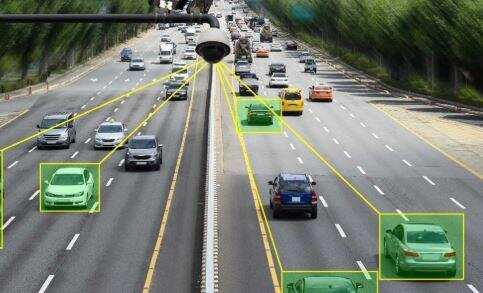
The concrete rupture was signalled by an official press release detailing the rollout of intelligent video surveillance units across key junctions, highways, and urban corridors. These cameras, equipped with real‑time analytics, are intended to detect violations such as overspeeding, red‑light jumping, and illegal lane changes, automatically issuing fines to offenders. The deployment, scheduled to commence within weeks, represents a coordinated effort between the transport department and technology providers to modernise traffic enforcement.
Underlying tension resides in Bihar’s historically high road‑accident rates, which have prompted public outcry and demands for stronger safety measures. Critics have argued that previous attempts at improving road discipline relied heavily on manual policing, which proved insufficient given the state’s expansive network of congested roads. The new system seeks to address these shortcomings by leveraging data‑driven insights, yet it also raises concerns about privacy and the capacity of the administration to manage the influx of digital evidence.
The downstream impact is expected to manifest in reduced accident fatalities and increased compliance with traffic norms, as drivers adjust to the heightened likelihood of detection. Revenue from automated fines could augment the state’s budget, potentially funding further infrastructure projects. Additionally, the initiative may set a precedent for neighbouring states to adopt similar technologies, fostering a regional shift towards smart‑city transport solutions. Over the coming year, the effectiveness of the camera network will likely be measured through statistical reductions in road‑related injuries and through public perception surveys.
Comments 0