Bihar Government Prioritizes Unmediated Digital Disbursement of Public Welfare Benefits
Bihar state ministers announced a renewed administrative commitment to transparent and time-bound delivery of government entitlements. The initiative relies on direct benefit transfers to eliminate intermediaries and curb administrative corruption across rural districts.
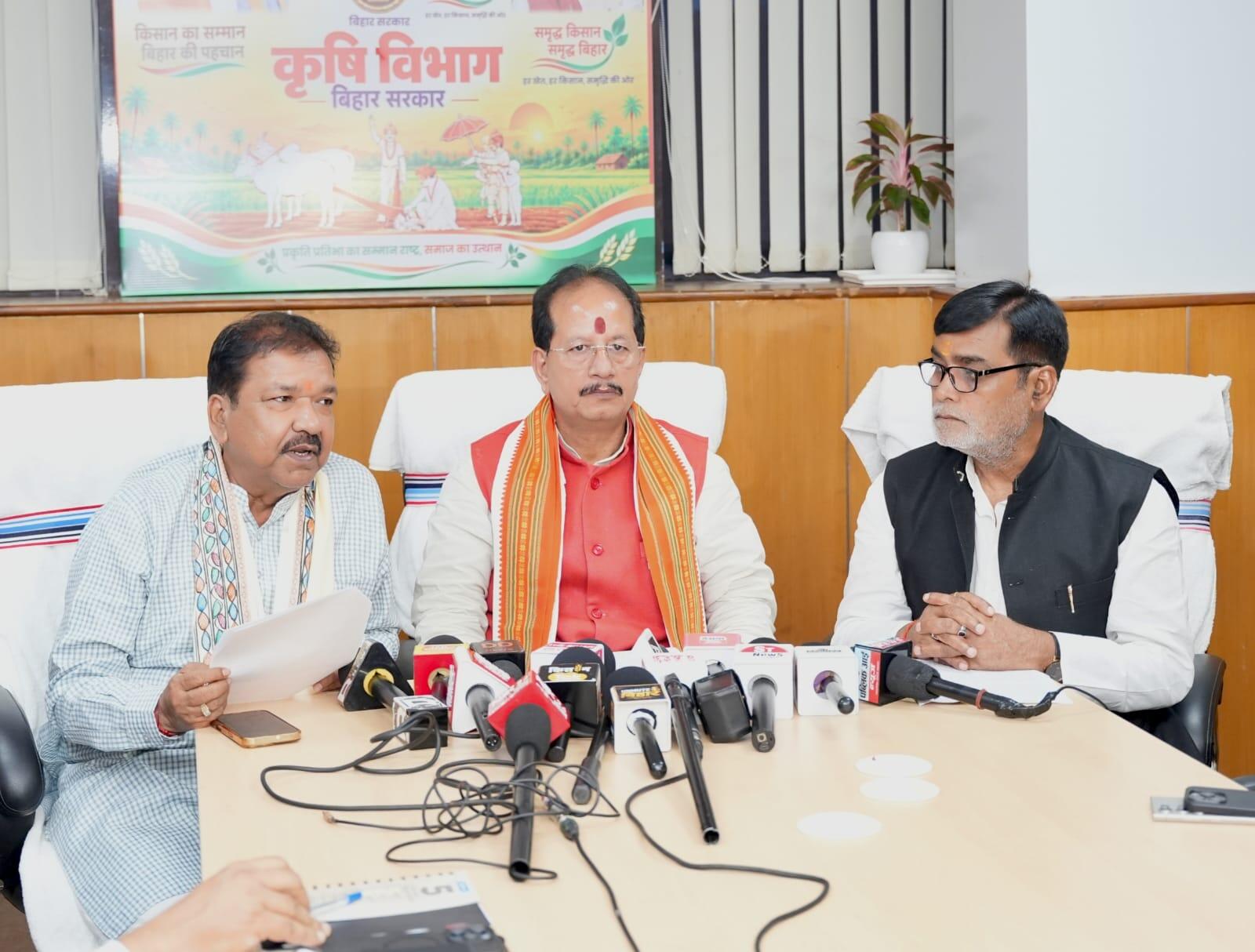
Administrative reform in eastern India continues to center on sealing the fiscal leaks that traditionally accompanied state welfare distribution. Cabinet officials in Patna reiterated that timely execution of beneficiary schemes remains the primary metric of governance efficiency. By tightening monitoring mechanisms at the block level, the administration intends to ensure that subsidies for housing, agriculture, and social security reach intended recipients without unauthorized deductions. The historical challenge in the region has involved a complex web of local middlemen who extract administrative rents from illiterate or marginalized citizens seeking government aid. District bureaucrats often face intense political pressure from entrenched local actors who benefit from discretionary fund allocations. The state's insistence on fully digital, auditable transfer channels directly threatens these informal power networks, generating quiet resistance among local administrative cadres. The material impact of this policy is a measurable acceleration in fund disbursement speeds for rural households, reducing reliance on local patronage networks. Beneficiaries now receive financial support directly into their bank accounts, minimizing opportunities for graft by petty officials. Over the medium term, this administrative discipline strengthens the state government's fiscal standing by eliminating ghost beneficiaries from departmental ledgers.
Comments 0