Bihar Home Guards Demand Parity in Pay, Pension and Permanent Employment
Members of the Bihar Home Guard force have launched a coordinated campaign seeking equal remuneration, pension benefits, and conversion to permanent posts. Their demands spotlight longstanding labor inequities within auxiliary security services.
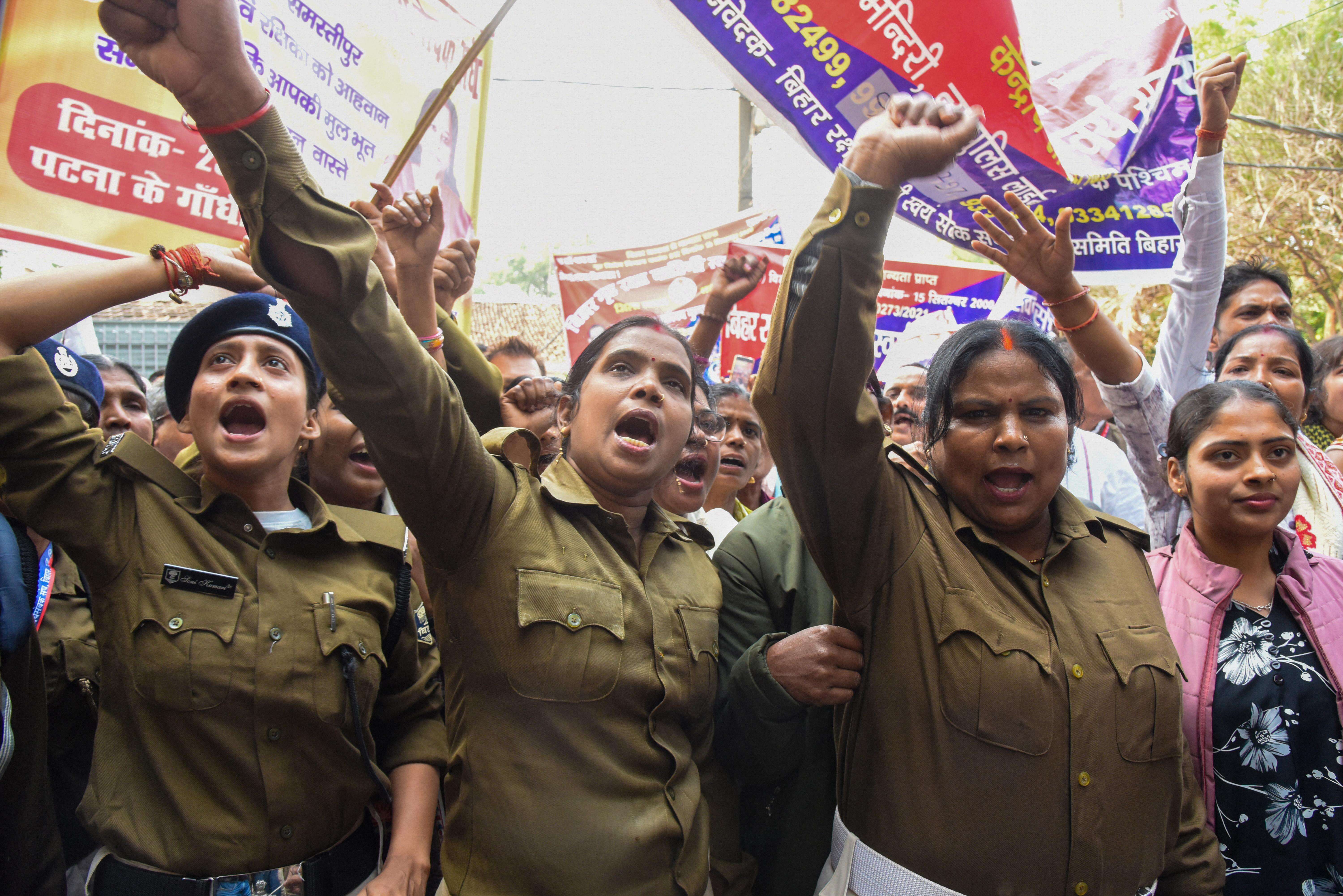
Home Guard volunteers across Bihar have organized rallies and submitted formal petitions to the state government, urging that their compensation be aligned with that of regular police personnel. The volunteers, who assist in disaster response, crowd control, and community policing, argue that their contributions merit the same financial security and retirement benefits afforded to full‑time officers. The movement has garnered support from local political leaders and civil‑society groups, amplifying calls for legislative amendment.
The underlying tension stems from a historical classification of Home Guards as part‑time, ad‑hoc personnel, a status that limits their access to statutory benefits. Over the years, the disparity has led to attrition, with many volunteers leaving for better‑paid opportunities. The state’s finance department faces the challenge of integrating these demands into the existing budget without compromising other welfare schemes.
If the government accedes to the demands, the immediate effect will be a restructuring of payroll and pension liabilities, potentially increasing the state’s fiscal commitments by a notable margin. Conversely, a refusal could trigger further industrial action, disrupting public order assistance during emergencies. The outcome will likely influence how other Indian states treat auxiliary security forces, setting a benchmark for future policy reforms.
Comments 0