Bihar's Administrative Upheaval: 143 IAS Officers Reshuffled in 209 Days
The Samrat government in Bihar has executed a sweeping administrative overhaul, transferring 143 IAS officers within a mere 209 days of assuming power. This unprecedented velocity of personnel changes signals a deliberate strategy to consolidate executive control over the state bureaucracy.
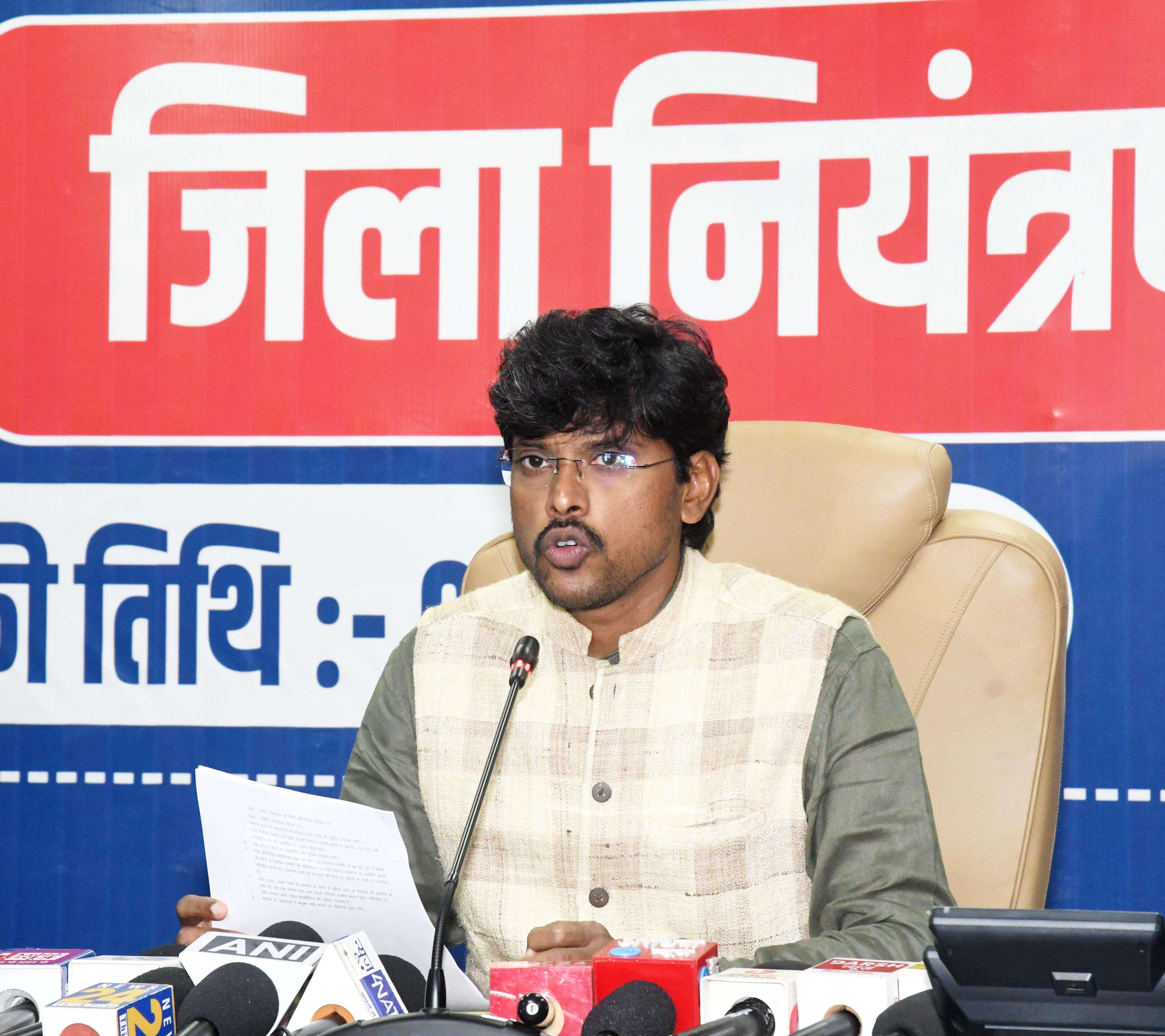
The concrete rupture in Bihar's administrative fabric is stark: 143 IAS officers have been reshuffled in under seven months. This rate of turnover far exceeds the historical norms for state-level civil service appointments, which typically occur on annual or biennial cycles. The immediate effect is a destabilization of departmental continuity, as senior officers are uprooted from posts where they had established operational rhythms and institutional memory. For the state machinery, this represents a forced reset, where long-standing administrative protocols are suspended in favor of new directives from the central government in Patna.
The underlying tension stems from the friction between the traditional autonomy of the civil service and the political imperative of the ruling party to ensure ideological and administrative alignment. By moving officers at such a rapid pace, the government is effectively bypassing the usual consultative processes that govern such transfers. This maneuver suggests a desire to place loyalists or high-performing officers in key positions before the next major policy cycle begins. The institutional friction is palpable, as mid-level officers and political stakeholders adjust to a new hierarchy that prioritizes political proximity over tenure-based seniority.
The downstream casualties of this upheaval include the disruption of ongoing development projects and the erosion of trust between the bureaucracy and the public. Citizens and local administrators face uncertainty as new officers arrive with different priorities and mandates. The tangible outcome is a more centralized and responsive state apparatus, albeit one that may suffer from a lack of institutional depth. In the coming year, this reshuffle will likely set a precedent for other states, signaling that administrative stability is no longer a guaranteed feature of Indian governance but a variable subject to political will.
Comments 0