Bihar’s Breathing Crisis: Patna’s Air Quality Deteriorates as Araria Suffers Worst
Patna’s air quality has deteriorated to 'poor' levels, with Araria emerging as the worst-hit district in Bihar. This environmental crisis is driven by a combination of industrial emissions, vehicular pollution, and seasonal factors, posing a significant health risk to the state’s population.
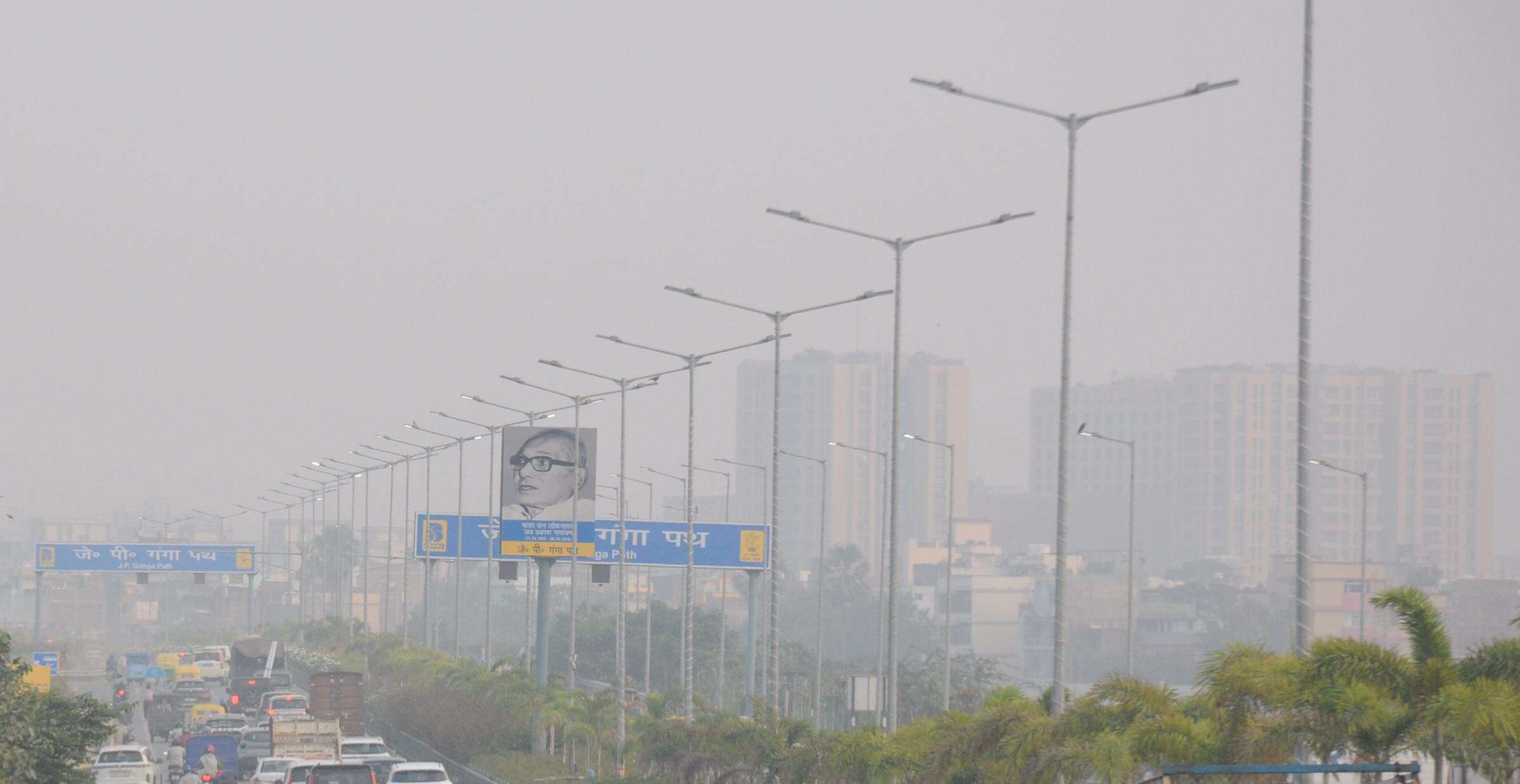
The concrete rupture is the official declaration that Patna’s air quality has turned 'poor,' with Araria recording the highest pollution levels in the state. This deterioration is not an isolated incident but part of a broader trend of increasing air pollution in Bihar, driven by rapid industrialization and urbanization. The immediate shockwave is the health impact on residents, who are exposed to high levels of particulate matter and other pollutants, leading to respiratory and cardiovascular problems.
The underlying tension is the conflict between economic development and environmental sustainability. The institutional friction is evident in the lack of effective enforcement of environmental regulations, with industries and vehicles contributing to pollution without facing significant consequences. This regulatory vacuum allows pollution to accumulate, creating a public health crisis that the state is ill-equipped to manage. The seasonal factors, such as temperature inversions, exacerbate the problem, trapping pollutants near the ground and increasing their concentration.
The downstream casualties are the most vulnerable populations, including children, the elderly, and those with pre-existing health conditions, who are at higher risk of suffering from the effects of poor air quality. The tangible outcome is a strain on the healthcare system, which is already under pressure to manage the health impacts of pollution. The long-term consequence is a reduction in life expectancy and a decrease in productivity, as the population suffers from chronic health issues related to air pollution.
Comments 0