Bihar’s Livelihood Model Replicated in Twelve Additional States
A development scheme pioneered in Bihar, focused on skill training and micro‑enterprise support, has been adopted by twelve other Indian states, signaling a shift toward decentralized economic empowerment. The rollout promises to affect millions of households across diverse regions.
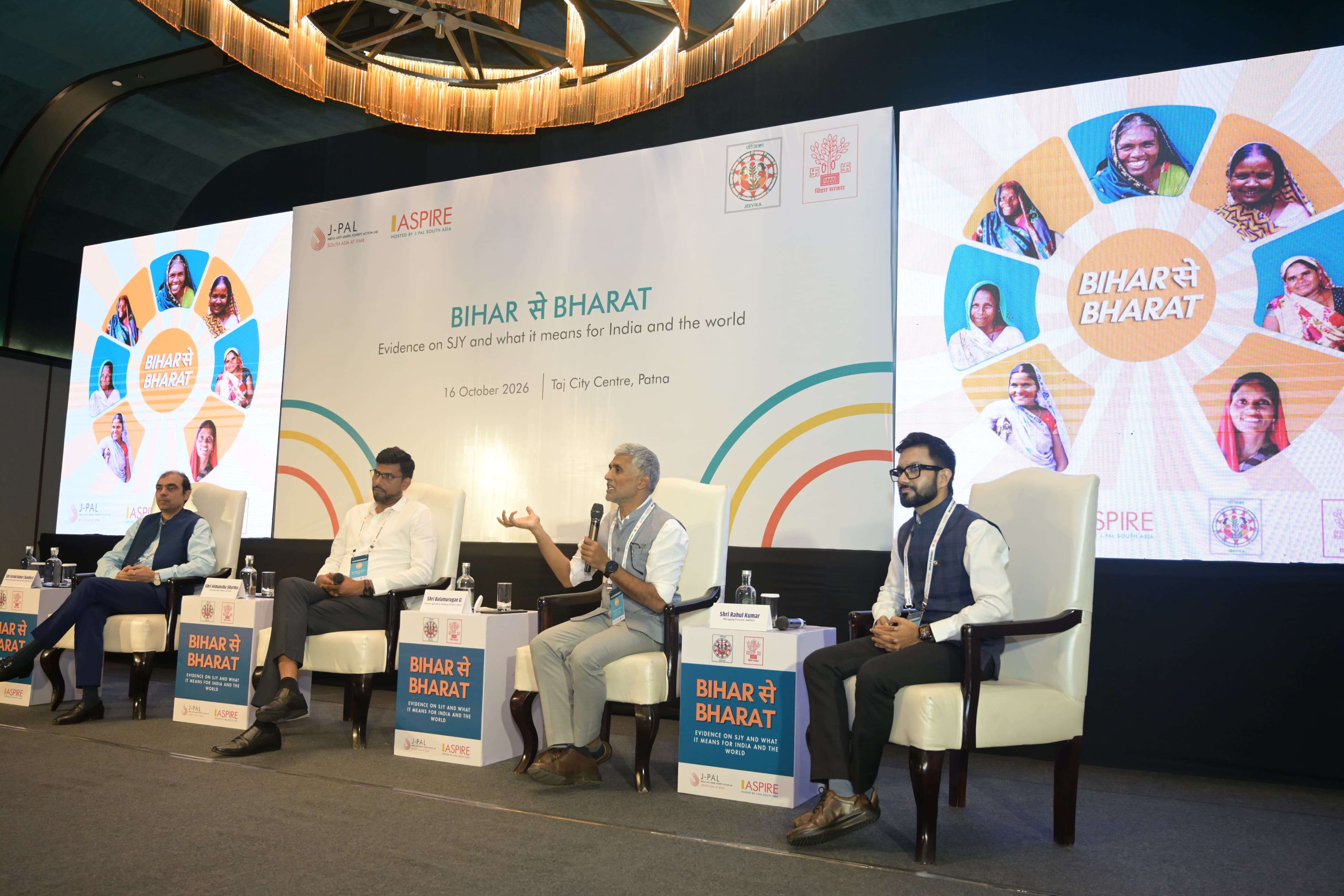
The Bihar government’s livelihood initiative, originally designed to provide vocational training, seed capital, and market linkages to rural households, has attracted the attention of policymakers in twelve neighboring states. The model emphasizes community‑driven planning, leveraging local resources to create small‑scale enterprises in sectors such as agro‑processing, handicrafts, and renewable energy services. State officials report that the program has already facilitated the creation of over 200,000 jobs within Bihar, prompting other administrations to seek replication as a means to address persistent unemployment and underemployment in their own jurisdictions.
Underlying the expansion is a recognition that top‑down development schemes often falter without grassroots participation. By involving local panchayats and self‑help groups in the design and execution phases, the Bihar model seeks to align economic activities with regional strengths and cultural practices. Financial institutions have pledged to extend low‑interest loans to participants, while training institutes are scaling up curricula to meet the demand for skilled labor. Critics caution that the rapid rollout may strain administrative capacities, urging careful monitoring to ensure that benefits reach intended beneficiaries rather than being siphoned off by intermediaries.
The downstream impact could be profound. As the program takes root in varied geographic contexts, it may stimulate intra‑regional trade, reduce migration pressures on urban centers, and contribute to a more balanced economic . Early indicators suggest improvements in household income stability and a modest rise in female labor participation, given the program’s emphasis on inclusive training. Over the next twelve months, the success of these adaptations will likely influence national policy discussions on scalable, community‑centric development models, potentially reshaping the framework for poverty alleviation across India.
Comments 0