Bihar’s Religious Politics: Rs 1,000 Crore Mandir Redevelopment Signals Power Shift
The announcement of a Rs 1,000 crore redevelopment plan for Baba Hariharnath Mandir in Patna reflects the growing influence of religious symbolism in state politics. The move is seen as a strategic effort to consolidate support among key voter demographics.
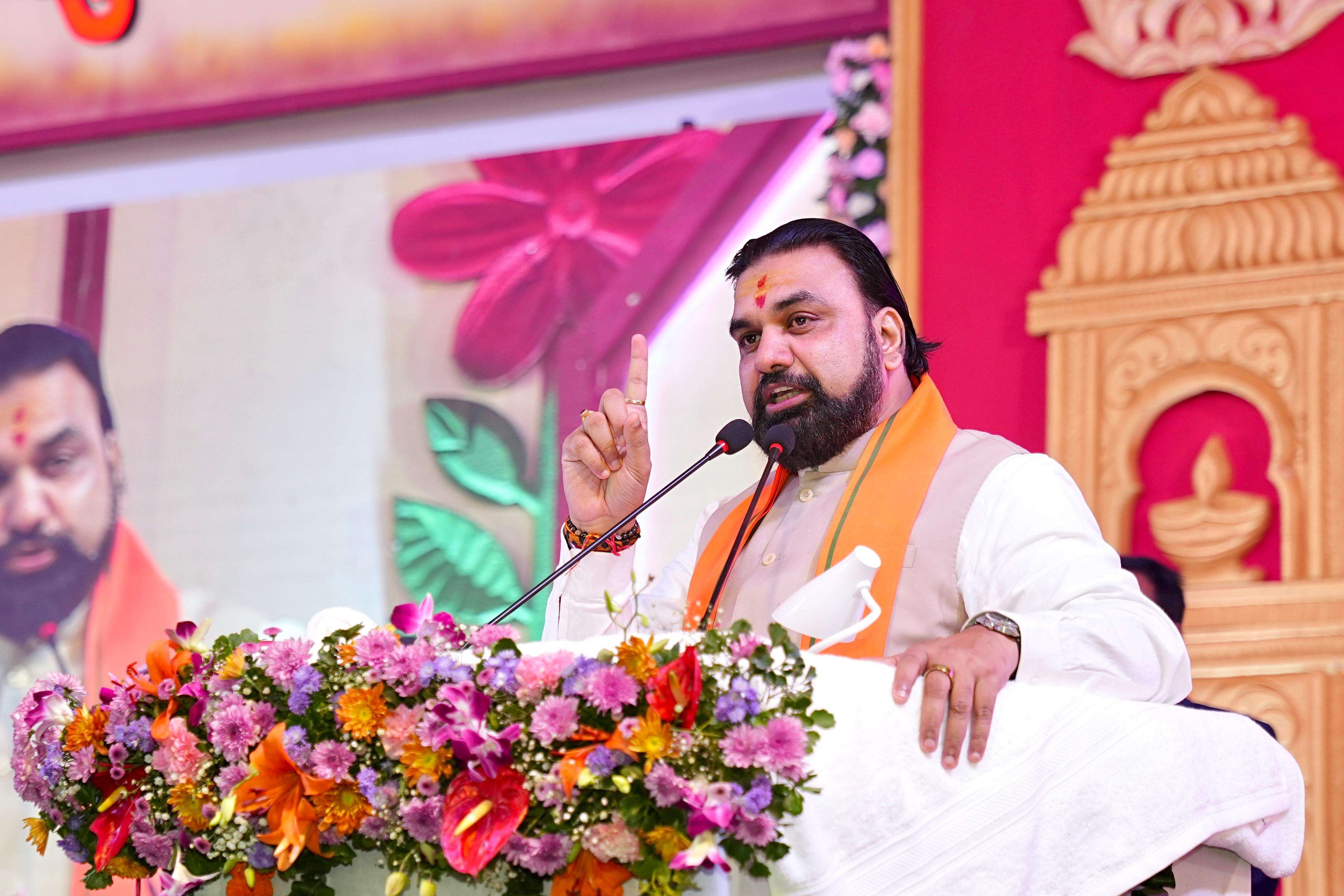
In Patna, the announcement of a Rs 1,000 crore redevelopment plan for the Baba Hariharnath Mandir marks a significant moment in the intersection of religion and politics. The scale of the investment, led by state leadership, is not merely a religious act but a political statement aimed at reinforcing the state’s commitment to Hindu cultural heritage. This move is designed to resonate with a large segment of the electorate, leveraging religious identity to solidify political loyalty.
The underlying tension lies in the use of public funds for religious projects, a practice that has often been a point of contention in Indian politics. Critics argue that such expenditures divert resources from essential services like healthcare and education, while proponents view them as investments in cultural capital and social cohesion. The institutional friction is evident in the debate over the appropriate role of the state in religious affairs, a debate that is likely to intensify as more states adopt similar strategies.
The downstream impact is a potential shift in the political , where religious identity becomes a more prominent factor in voter decision-making. The tangible outcome is a strengthening of the political base of parties that align with Hindu nationalist sentiments, potentially marginalizing secular voices in the public discourse. This development may influence future electoral strategies, with parties increasingly focusing on religious symbolism to mobilize their base.
Comments 0