Bihar's School Infrastructure Crisis: Water and Road Deficits
A recent audit reveals that 279 schools in Kaimur district lack drinking water, while 159 have no approach roads, highlighting a severe infrastructure deficit. This neglect poses a direct threat to student attendance and educational outcomes in one of India's most populous states.
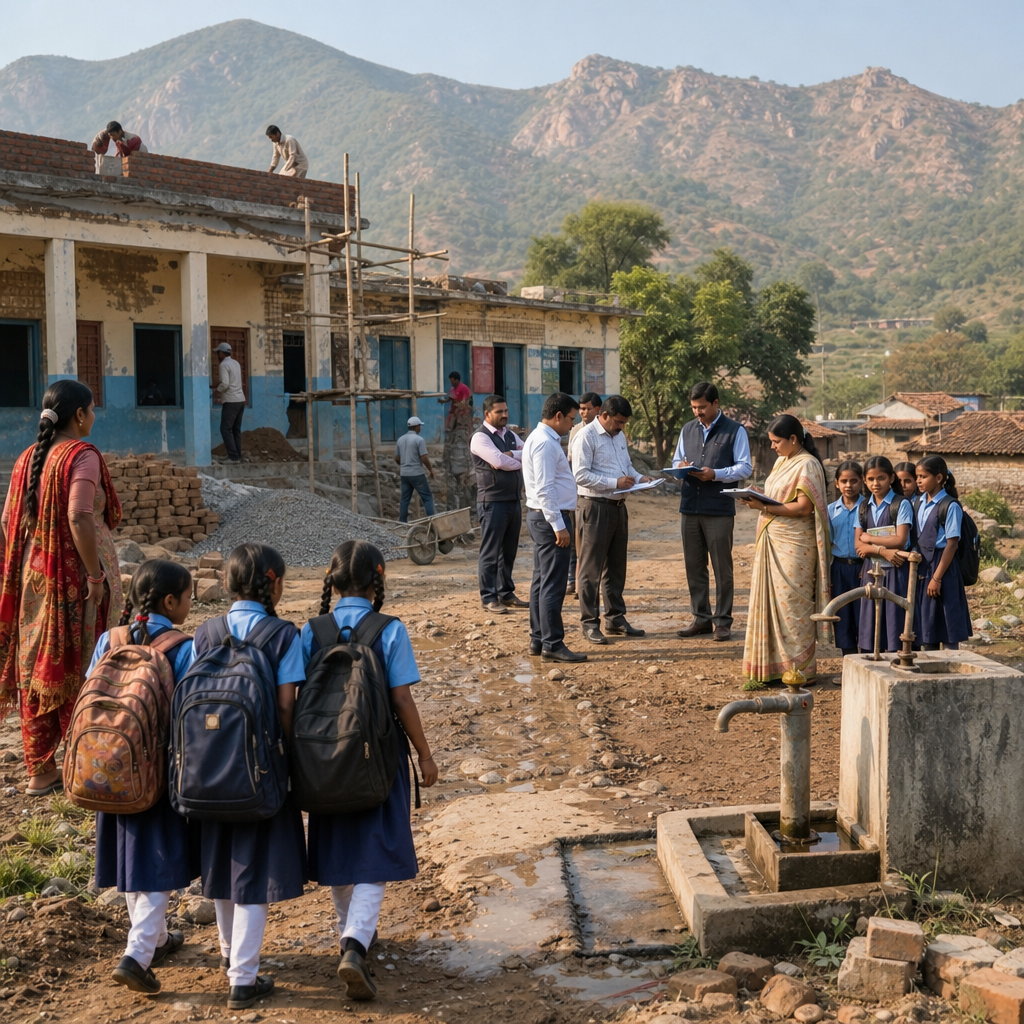
The revelation that 279 schools in Kaimur district lack drinking water and 159 have no approach roads represents a concrete rupture in the promise of universal education in Bihar. This infrastructure deficit is not merely a logistical inconvenience but a fundamental barrier to access, effectively excluding students from the educational process. The absence of basic amenities such as clean water and safe access routes forces many students, particularly girls, to drop out or attend irregularly, thereby undermining the state's efforts to improve educational indicators.
The underlying tension in this crisis reflects the institutional friction between the central government's educational mandates and the state government's capacity to implement them. The lack of funds and political will to address these basic infrastructure needs highlights a broader failure in governance, where the priorities of the state administration do not align with the needs of the most vulnerable populations. This friction is exacerbated by the bureaucratic inefficiencies that delay the allocation and utilization of funds, leaving schools in a state of perpetual neglect.
The downstream consequences of this infrastructure crisis are profound for the long-term development of the region. The lack of access to education limits the economic mobility of students, perpetuating cycles of poverty and social inequality. The tangible outcome is a workforce that is less skilled and less competitive, which in turn hampers the state's economic growth and its ability to attract investment. The crisis also raises serious questions about the accountability of the state government, which must now face public scrutiny over its failure to provide basic educational infrastructure.
Comments 0