BJP Launches Tribal Outreach Strategy Centered on Birsa Munda's Legacy
The Bharatiya Janata Party has announced a campaign to promote the ideals of tribal leader Birsa Munda to every tribal household, signaling a strategic pivot in its approach to Adivasi politics. This move aims to counter the influence of regional parties and consolidate support in tribal belts across central and eastern India.
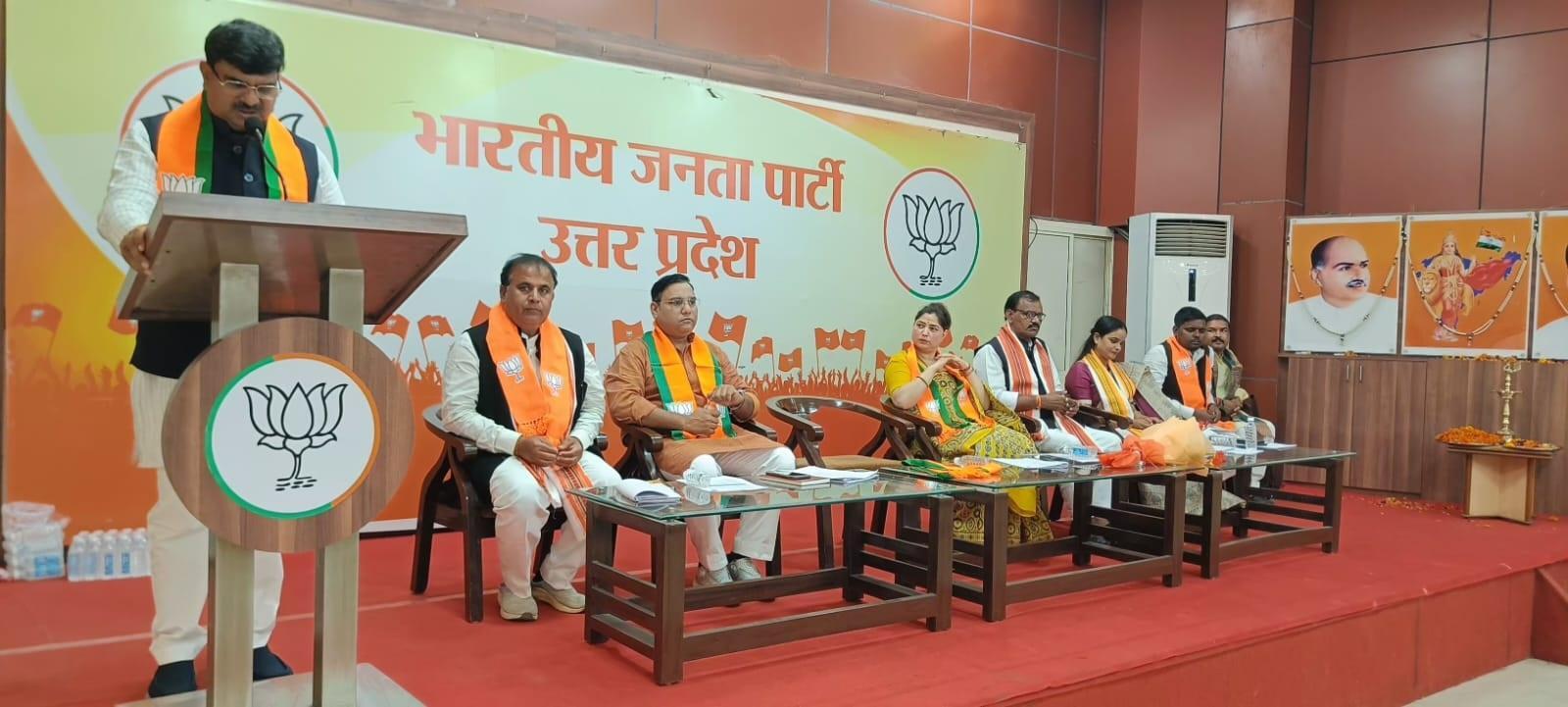
The decision by the BJP to center its tribal outreach strategy on the legacy of Birsa Munda represents a significant shift in its political calculus. By invoking the memory of a freedom fighter who is revered by many Adivasi communities, the party seeks to bridge the gap between its nationalistic narrative and the specific cultural and historical concerns of tribal populations. This concrete rupture in traditional party lines is a calculated move to address the growing discontent among Adivasi voters, who have often felt marginalized by mainstream political parties. The immediate impact is a renewed focus on tribal issues in the party's discourse, with leaders emphasizing the need for justice and development in tribal areas.
The underlying tension reflects the friction between the BJP's overarching Hindutva ideology and the distinct cultural identities of tribal communities. The party's strategy is to frame Birsa Munda's struggle as part of the broader Indian national movement, thereby aligning tribal aspirations with the party's vision of a unified India. This approach is not without its critics, who argue that it risks diluting the specific demands of Adivasi communities for land rights and cultural autonomy. The institutional response is one of careful messaging, with the party seeking to balance its nationalistic agenda with the local concerns of tribal voters. The outcome is a more nuanced, and potentially more effective, approach to tribal politics.
The downstream consequences of this strategy are a potential realignment of political alliances in tribal belts. The tangible outcome is a shift in the balance of power, with the BJP gaining ground in areas where it has traditionally struggled to make inroads. This shift may also lead to increased competition from regional parties, who will need to adapt their strategies to counter the BJP's new approach. The long-term impact is a more complex and competitive political in tribal areas, where the issue of identity and representation will play a central role. The strategy also highlights the importance of cultural symbols in modern politics, where the past is often invoked to shape the future.
Comments 0