BJP reprimands MLA over comments on tribal dietary customs in West Bengal
The Bharatiya Janata Party publicly censured a member of the legislative assembly for remarks that questioned the food habits of tribal communities, sparking debate over cultural sensitivity. The incident has amplified scrutiny of the party’s approach to minority outreach in the state.
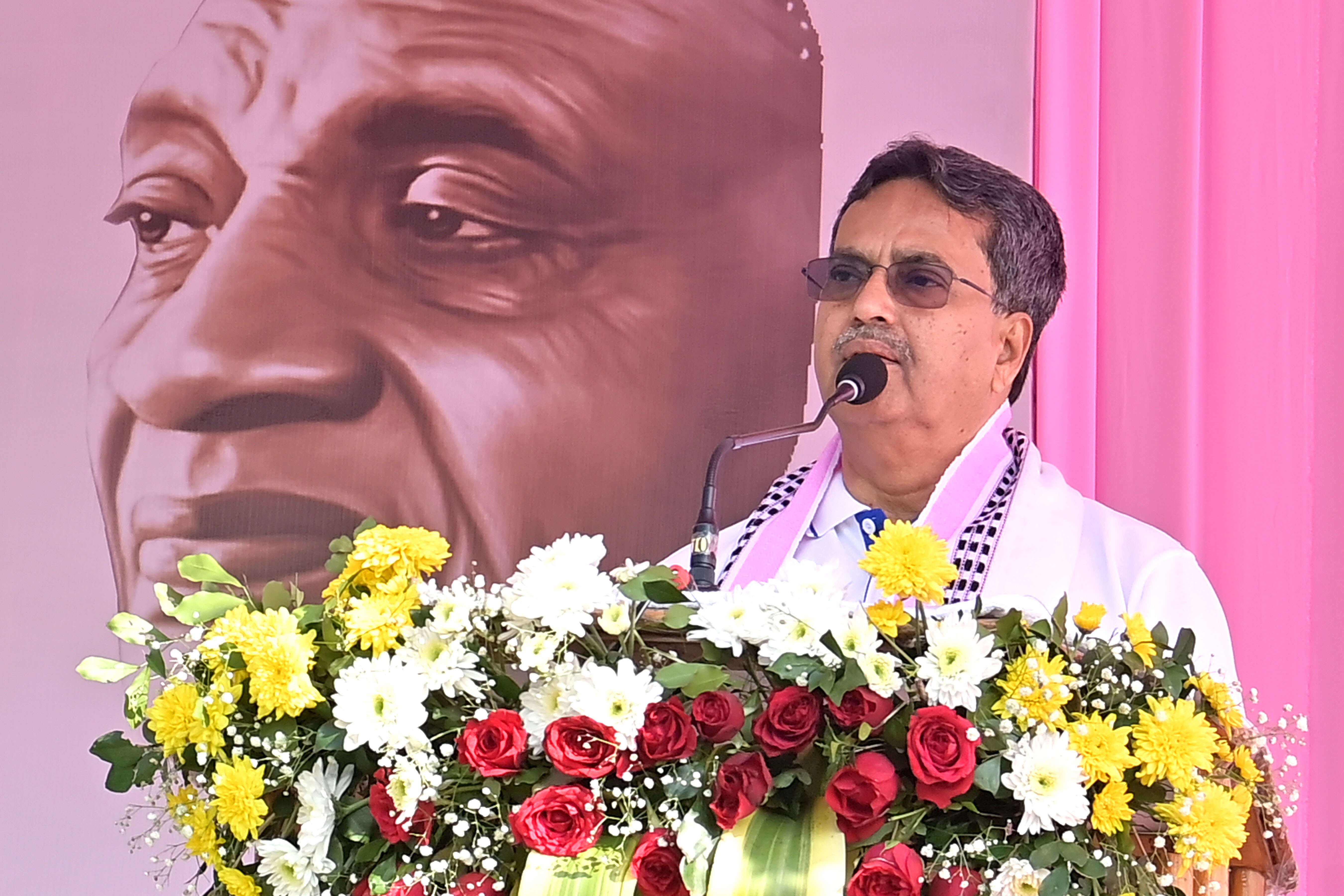
In a recent session of the West Bengal Legislative Assembly, a BJP MLA made statements that appeared to critique the traditional dietary practices of tribal groups residing in the region’s forested districts. The comments, which were recorded and circulated on social media, prompted immediate backlash from tribal leaders, civil‑society organisations and opposition parties, who accused the legislator of cultural insensitivity and political opportunism. Within hours, the party’s state leadership issued a formal reprimand, distancing itself from the remarks and affirming a commitment to respect the customs of all communities.
The episode has reignited a broader conversation about the BJP’s strategy for expanding its base among tribal populations, a demographic that has historically aligned with regional parties or left‑leaning movements. Analysts note that the party’s outreach efforts have sometimes been marred by missteps that overlook the nuanced social fabric of tribal societies, where food practices are intertwined with identity, spirituality and livelihood. The reprimand, while signalling internal discipline, also serves as a public acknowledgment that such miscalculations can erode trust and hinder electoral ambitions in a state where tribal votes can be decisive.
In the short term, the incident has led to heightened vigilance among party cadres, who are now receiving guidance on culturally appropriate communication. It may also prompt the BJP to recalibrate its messaging, incorporating more inclusive narratives that celebrate tribal heritage rather than critique it. Over the coming year, the party’s ability to mend relations could influence its performance in local elections and shape the broader discourse on minority representation in West Bengal’s political arena.
Comments 0