Bolivia’s Gas Lifeline Frays as Reserves Deplete
Years of chronic underinvestment have left Bolivia’s natural gas sector in a state of terminal decline, forcing the nation to confront a severe fuel shortage. The crisis is compounded by rising global energy prices driven by the ongoing conflict in Iran, creating a perfect storm for the South American economy.
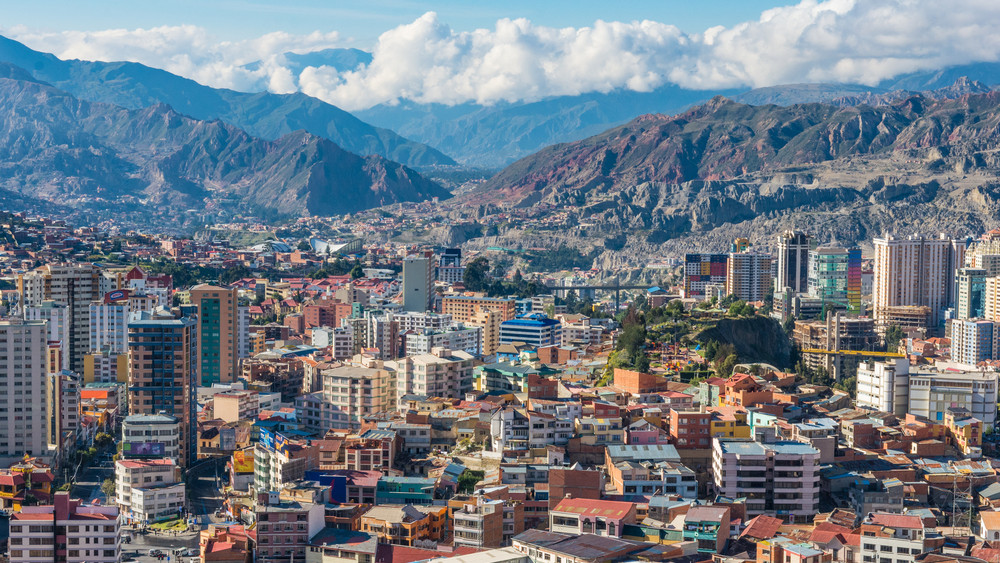
The concrete rupture in Bolivia’s energy sector is no longer a distant threat but a present reality, as the country’s natural gas reserves dwindle to critical levels. This depletion is the direct consequence of decades of neglect and insufficient capital injection into the industry, leaving the infrastructure unable to meet even basic domestic demands. The immediate shockwave is felt in the form of soaring fuel prices, which have eroded the purchasing power of ordinary citizens and strained the national budget. The government finds itself in a precarious position, unable to subsidize energy costs or attract the foreign investment necessary to reverse the downward trajectory of production.
The underlying tension stems from a long-standing institutional failure to modernize the gas industry, a problem that has persisted across multiple administrations. The current geopolitical climate, marked by the war in Iran, has exacerbated the situation by driving up global energy costs, making Bolivia’s domestic shortfall even more acute. This external pressure highlights the fragility of a national strategy that relied on existing reserves rather than sustainable development. The friction between the need for immediate economic relief and the long-term requirements for infrastructure overhaul has paralyzed decision-making, leaving policymakers with few viable options to stabilize the sector.
The downstream casualties of this energy crisis are already evident in the broader economic , where inflation is accelerating and industrial output is contracting. The inability to secure affordable energy is stifling growth in key sectors, from manufacturing to agriculture, and is driving capital away from the country. This structural weakness threatens to deepen the economic crisis, potentially leading to social unrest and a further erosion of public trust in the state’s ability to manage essential services. The long-term consequence is a nation locked into a cycle of energy dependency and economic stagnation, with limited leverage in the global market.
Comments 0