Bolsonaro's Exile Becomes a Platform for Permanent Opposition
Declaring himself the 'true president' from US soil, the former Brazilian leader has transformed his legal exile into a political base. This move signals a shift from domestic legal battles to a sustained, transnational campaign to undermine the current government's legitimacy.
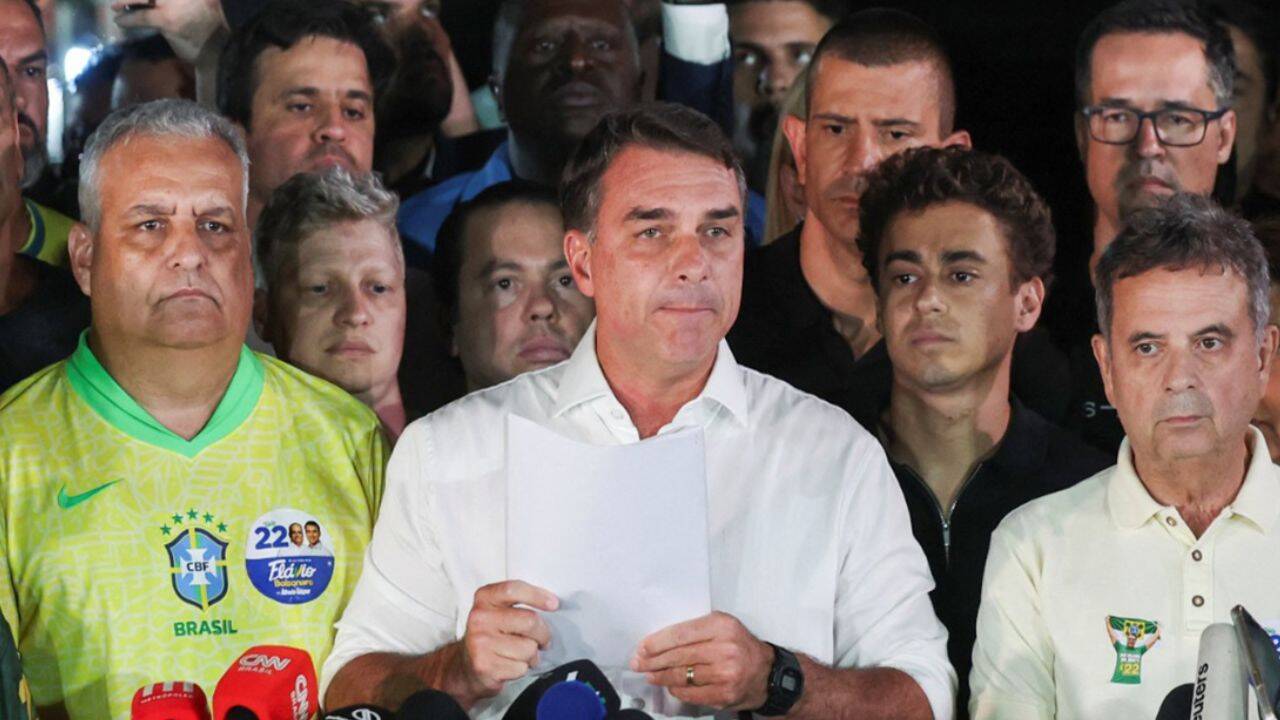
The concrete rupture in Brazilian politics is the formal declaration by Jair Bolsonaro that he remains the legitimate head of state, despite his legal status and physical absence from the country. By making this claim from the United States, Bolsonaro has effectively removed himself from the immediate reach of Brazilian law enforcement while simultaneously elevating his political profile. This act is not merely a statement of defiance but a strategic repositioning, turning his exile into a platform for continued political influence. The immediate shockwave is the potential for increased political polarization in Brazil, as his supporters are given a clear, albeit controversial, figurehead to rally around, while his opponents view the move as an act of sedition.
The underlying tension is the struggle for legitimacy in a post-authoritarian democracy. Bolsonaro's claim to be the 'true president' challenges the constitutional order and the results of the democratic process that led to his removal. This institutional friction is exacerbated by the international dimension, as his presence in the US complicates Brazil-US relations and raises questions about the role of foreign soil in domestic political conflicts. The move also highlights the limitations of the Brazilian legal system in dealing with political figures who can operate from abroad, creating a gray area where legal accountability is difficult to enforce.
The downstream casualties of this move are the stability of the current government and the integrity of the democratic process. By maintaining a high profile from abroad, Bolsonaro can continue to influence public opinion and mobilize his base, making it difficult for the current administration to consolidate power. This could lead to prolonged political instability, with frequent protests and counter-protests, and a potential increase in political violence. The tangible outcome is a more fragmented political , where the line between legal opposition and illegal subversion becomes blurred, posing a long-term challenge to the stability of Brazilian democracy.
Comments 0