Bolsonaro's Refusal to Concede Deepens Brazil's Political Fracture
Brazil's opposition party has accepted Lula's election victory, but Flávio Bolsonaro refuses to concede, while President Trump labels the vote rigged without evidence. This refusal exacerbates political tensions and raises concerns about democratic stability in Brazil.
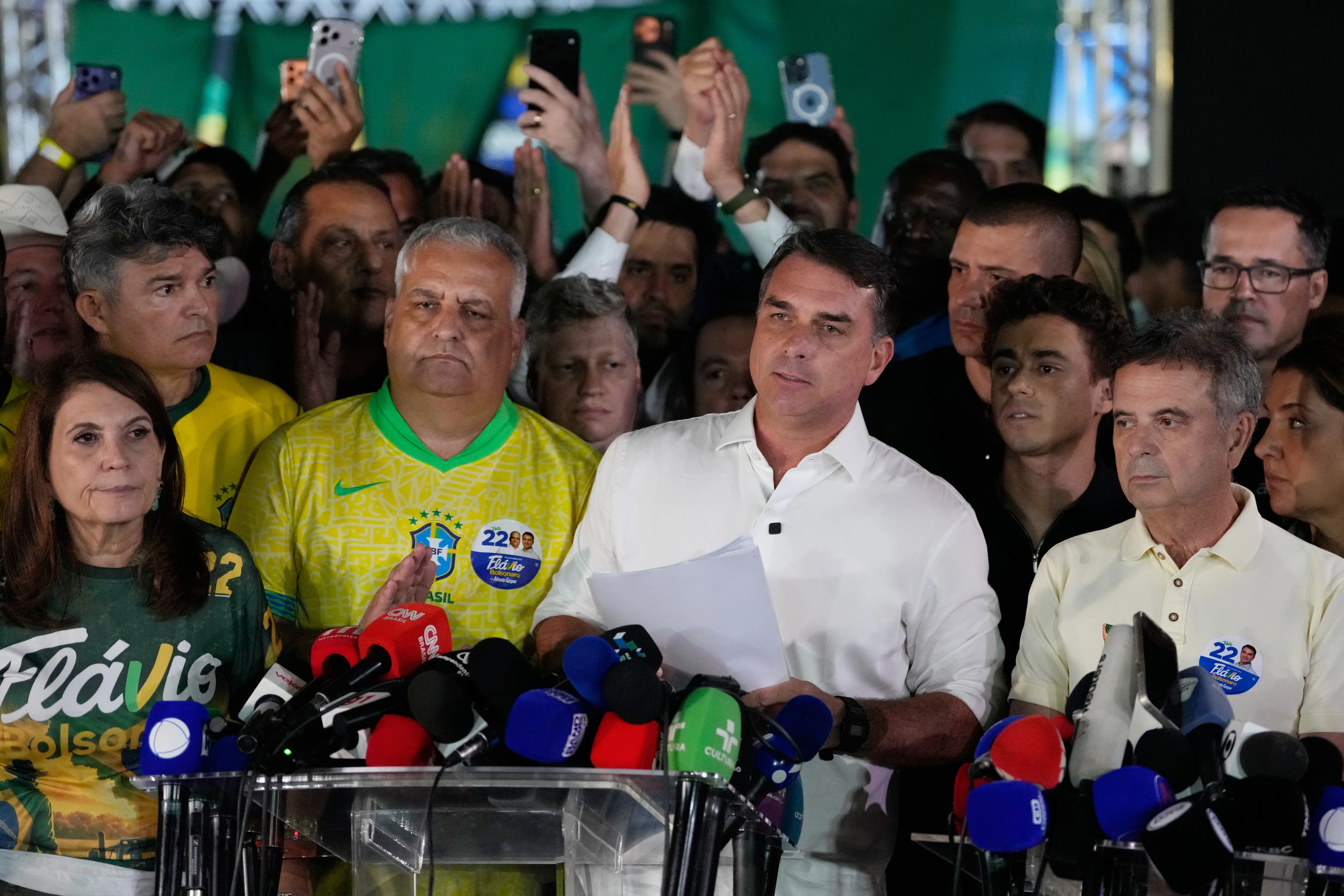
The concrete rupture is Flávio Bolsonaro's refusal to concede the election, a move that stands in stark contrast to his party's acceptance of Lula's victory. This act of defiance is not merely a personal stance but a reflection of deeper political fractures within Brazil. The immediate shockwave is a heightened state of political uncertainty, with potential for further unrest and challenges to the legitimacy of the electoral process. The lack of evidence for Trump's claims of a rigged vote adds to the confusion and undermines international confidence in Brazil's democratic institutions.
The underlying tension is rooted in the polarized political of Brazil, where the Bolsonaro camp has long resisted the return of Lula to power. Institutional friction is evident in the strained relations between the executive and legislative branches, as well as the judiciary, which is tasked with upholding the integrity of the electoral process. The refusal to concede highlights the challenges of maintaining democratic norms in a deeply divided society, where political loyalty often supersedes institutional responsibility.
The downstream casualties include the credibility of Brazil's democratic institutions and the stability of its political system. The tangible outcome is a prolonged period of political uncertainty, with potential for further legal challenges and social unrest. This situation could also have broader implications for Brazil's international standing, as foreign investors and partners may reassess their engagement with a country facing such significant political instability.
Comments 0