Bombay High Court Demands Framework to Halt Misleading Debt‑Waiver Campaigns
The Bombay High Court has called for a regulatory structure to curb deceptive debt‑management schemes that promise loan waivers, highlighting consumer protection concerns. The judgment signals a potential overhaul of how financial advisories operate in India. Financial institutions are expected to tighten compliance in response to the court’s directive.
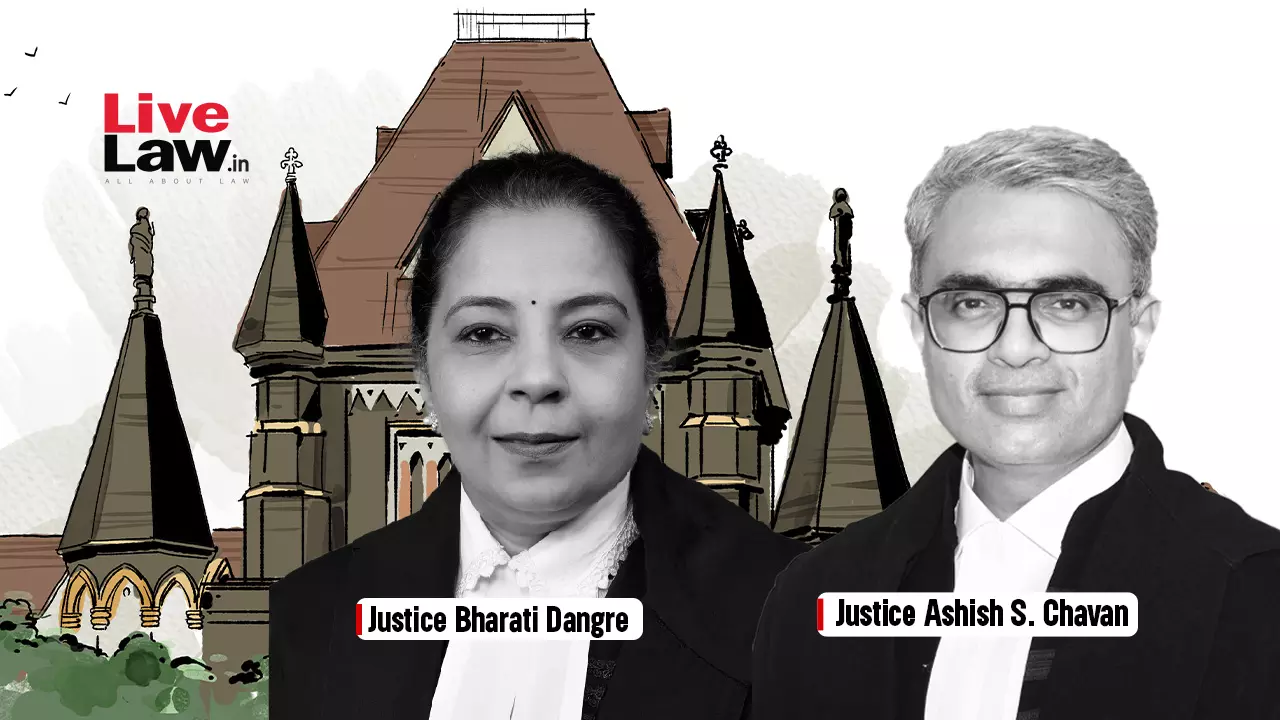
In a recent hearing, the Bombay High Court observed that a growing number of campaigns promising debt relief have misled borrowers with vague assurances of loan waivers, often lacking transparent terms. The bench urged the government to formulate a comprehensive regulatory framework that would oversee such initiatives, ensuring that consumers receive accurate information and are protected from exploitative practices. This pronouncement reflects mounting judicial scrutiny over financial marketing tactics that have proliferated amid rising household indebtedness.
The court’s intervention arrives as regulators grapple with the challenge of balancing financial inclusion with consumer safeguards. By mandating clearer disclosures and accountability mechanisms, the judgment aims to deter entities from leveraging the allure of debt forgiveness to attract vulnerable borrowers. Financial institutions, ranging from banks to fintech platforms, may need to revise their outreach strategies, implement stricter verification processes, and submit to heightened oversight by supervisory bodies.
If the proposed framework materialises, it could lead to a more disciplined debt‑management ecosystem, reducing the incidence of predatory schemes and fostering greater confidence among borrowers. The ripple effect may also influence policy discussions on broader financial reforms, prompting legislators to consider additional measures that enhance transparency across the credit market. Stakeholders anticipate that the court’s directive will catalyse a shift toward more responsible lending and advisory practices over the coming year.
Comments 0