Bombay High Court Demands State Reply on Alleged Police Detentions Amid Anti‑CEC Demonstrations
The Bombay High Court issued a notice seeking the Maharashtra government's response to a petition alleging unlawful arrests during protests against the Chief Election Commissioner. The case spotlights concerns over police conduct in politically charged gatherings.
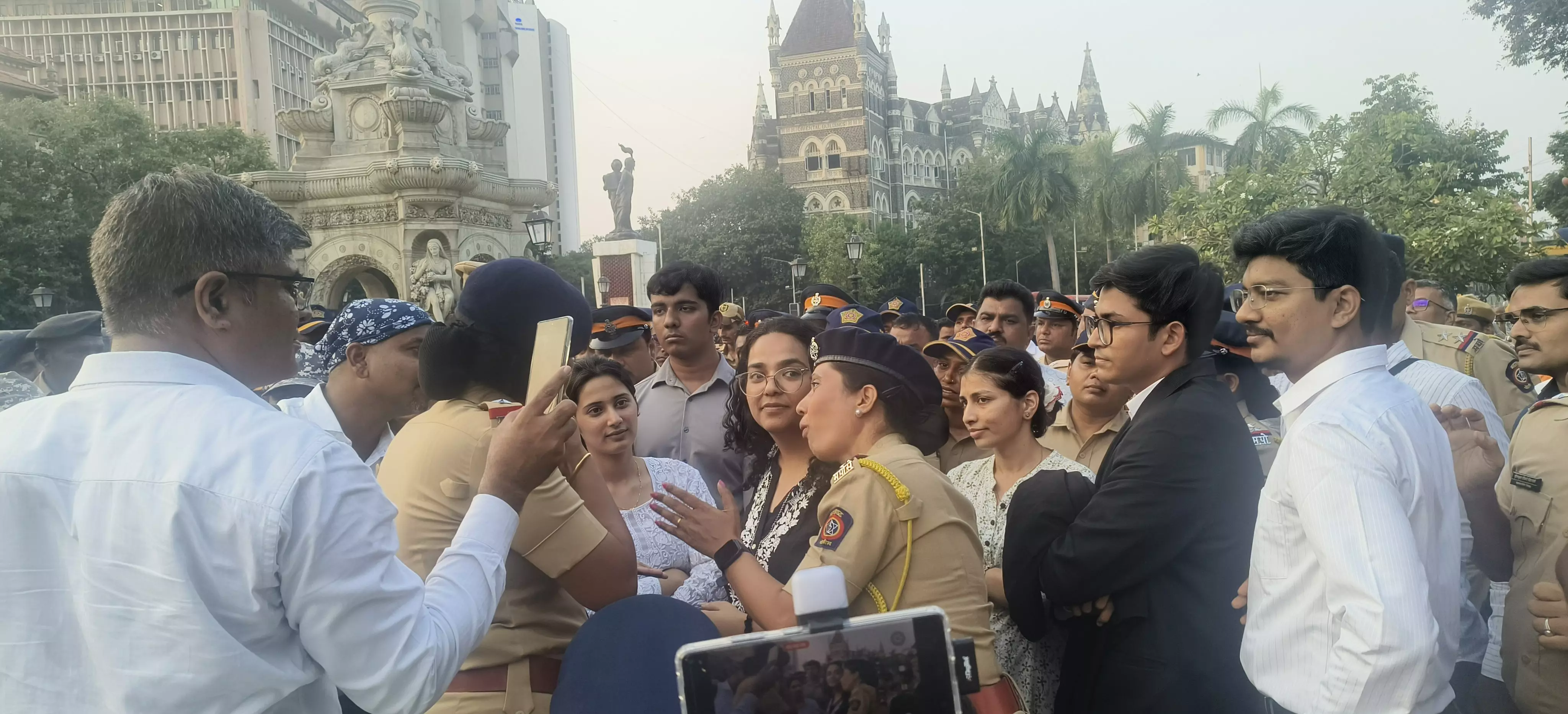
The concrete rupture unfolded when petitioners presented evidence that police had detained dozens of demonstrators without filing formal charges, citing the volatile atmosphere surrounding the anti‑CEC rallies. The high court, acting on a writ of habeas corpus, ordered the state to furnish a detailed account of the arrests, the legal basis invoked, and the subsequent treatment of the detainees. This procedural demand underscores the judiciary's willingness to scrutinise executive actions that may infringe upon constitutional freedoms.
Underlying tension resides in the broader clash between law‑enforcement agencies tasked with maintaining public order and civil‑rights advocates who warn against the erosion of democratic protest rights. The anti‑CEC movement has drawn participants from diverse political backgrounds, prompting police to adopt a heavy‑handed approach that critics argue exceeds statutory limits. The state's legal counsel faces the delicate task of justifying operational decisions while preserving the legitimacy of the police force in the eyes of the public.
Downstream casualties could manifest as a recalibration of police protocols for future demonstrations, potentially mandating the presence of independent observers during mass arrests. The court's ruling may also inspire similar petitions in other states, fostering a nationwide dialogue on the balance between security and liberty. For the protesters, a favorable judgment could embolden further civic engagement, while for the police, it may herald a period of intensified oversight and training reforms.
Comments 0