Bombay High Court Sets Precedent for Social Media Speech
The Bombay High Court ruled that the mere possibility of communal disturbance is insufficient grounds for criminal prosecution of social media posts. The decision clarifies that allegations must satisfy the essential ingredients of penal provisions, reinforcing protections for free expression.
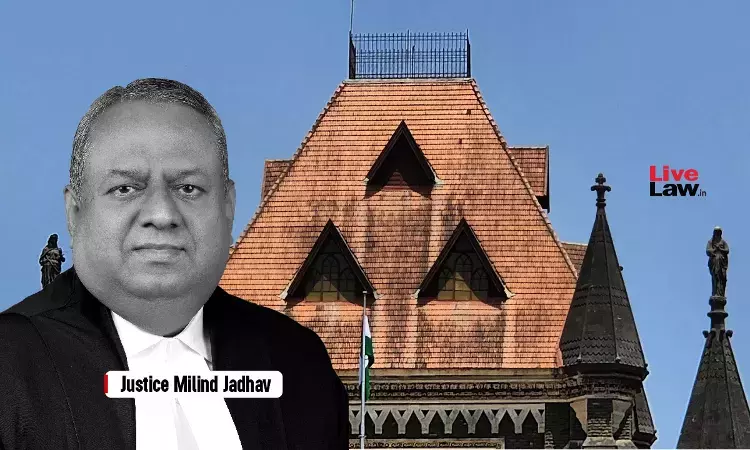
The Bombay High Court has issued a landmark ruling that significantly narrows the scope for criminal prosecution of social media content. The court held that the mere possibility of a post causing resentment or communal disturbance is not enough to sustain a criminal case. This decision provides a clear legal framework for evaluating online speech, distinguishing between protected expression and actionable criminal intent.
The underlying tension in this case reflects the broader conflict between state authority and individual rights in the digital age. Law enforcement agencies have often relied on vague interpretations of public order to suppress dissent, leading to a chilling effect on free speech. The court's insistence on meeting the essential ingredients of penal provisions signals a judicial pushback against overreach, demanding concrete evidence of criminal intent rather than speculative harm.
The downstream impact of this ruling will be felt by journalists, activists, and ordinary citizens who have faced legal threats for their online commentary. It may lead to a reduction in frivolous cases filed against individuals for social media posts, thereby strengthening the legal foundation for digital free speech. However, it also places a higher burden on prosecutors to build robust cases, potentially complicating efforts to address genuine threats to public safety online.
Comments 0