Bond Market Volatility Surges, Signaling a New Normal
Investors now face heightened uncertainty as bond yields swing wildly, forcing a shift toward longer‑dated securities. The turbulence has already pressured pension funds and reshaped risk appetites across global markets.
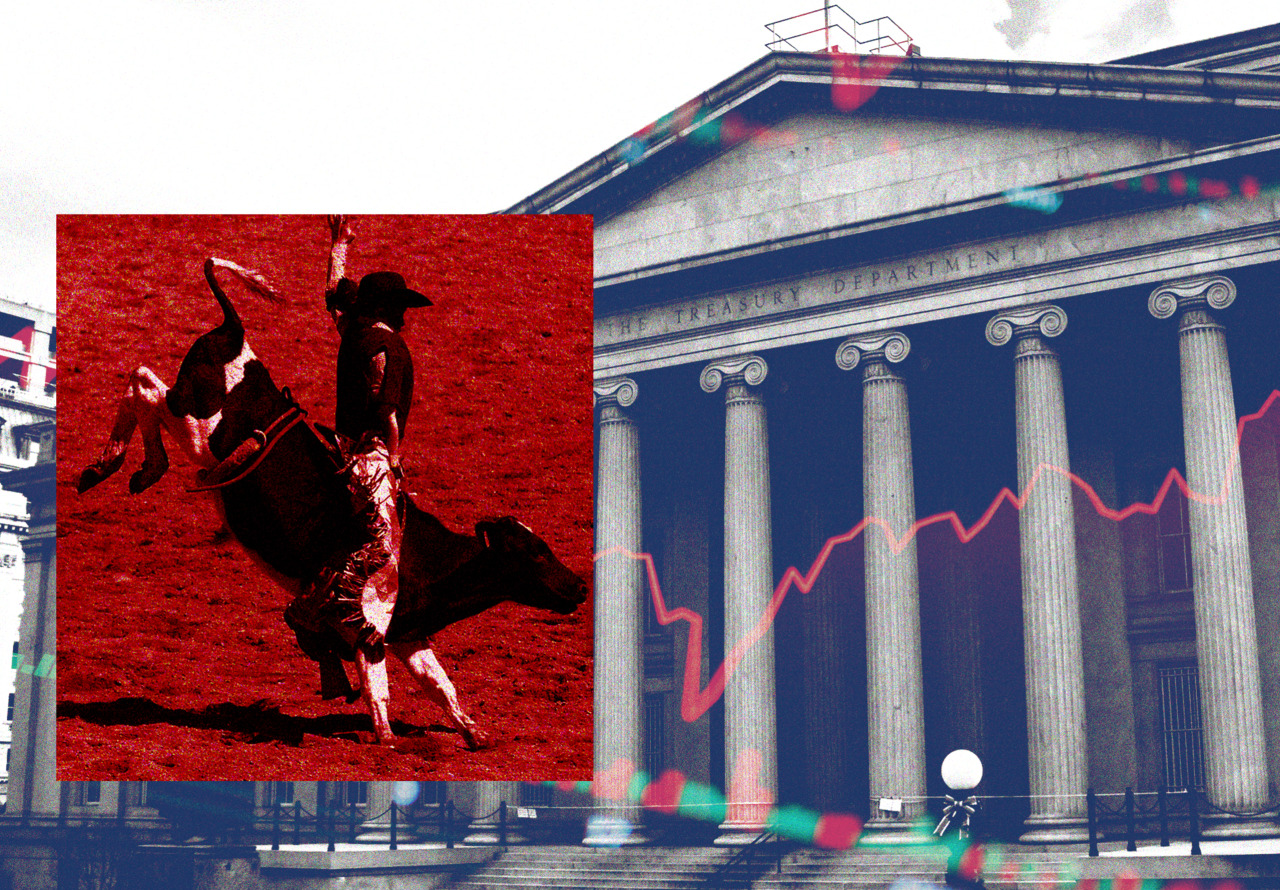
The bond market has entered a phase of heightened volatility, with yields fluctuating more sharply than in any recent decade. Analysts attribute the turbulence to a combination of algorithmic trading glitches and shifting macro‑economic expectations. The sudden drop in confidence among high‑frequency traders has forced investors to seek refuge in longer‑dated securities, which offer a buffer against short‑term swings. This shift has already begun to reshape the composition of institutional portfolios, as pension funds and insurance companies recalibrate their duration exposure.
The underlying tension stems from the growing reliance on artificial intelligence in market execution. When AI algorithms misinterpret signals, the resulting cascade of orders can amplify price movements. Regulators have responded by tightening oversight of algorithmic trading, but the pace of technological change outstrips policy adjustments. Meanwhile, market participants are scrambling to adjust risk models, leading to a feedback loop that further destabilizes yields.
The downstream casualties are already visible. Pension funds, which rely on predictable cash flows, have faced liquidity constraints as short‑term bonds become less attractive. Insurance companies, whose liabilities are tied to fixed‑income instruments, have increased their hedging costs. Retail investors, too, are experiencing higher transaction costs as bid‑ask spreads widen. The cumulative effect is a tightening of credit conditions, which may slow economic growth over the next fiscal cycle.
Comments 0