Border Diplomacy: Indian and Chinese Commanders Seek to De-escalate Arunachal Tensions
Senior military officials from India and China have convened to establish clear engagement protocols and prevent local skirmishes from escalating into a broader confrontation. The talks aim to restore stability along the Line of Actual Control, a critical step in managing strategic rivalry.
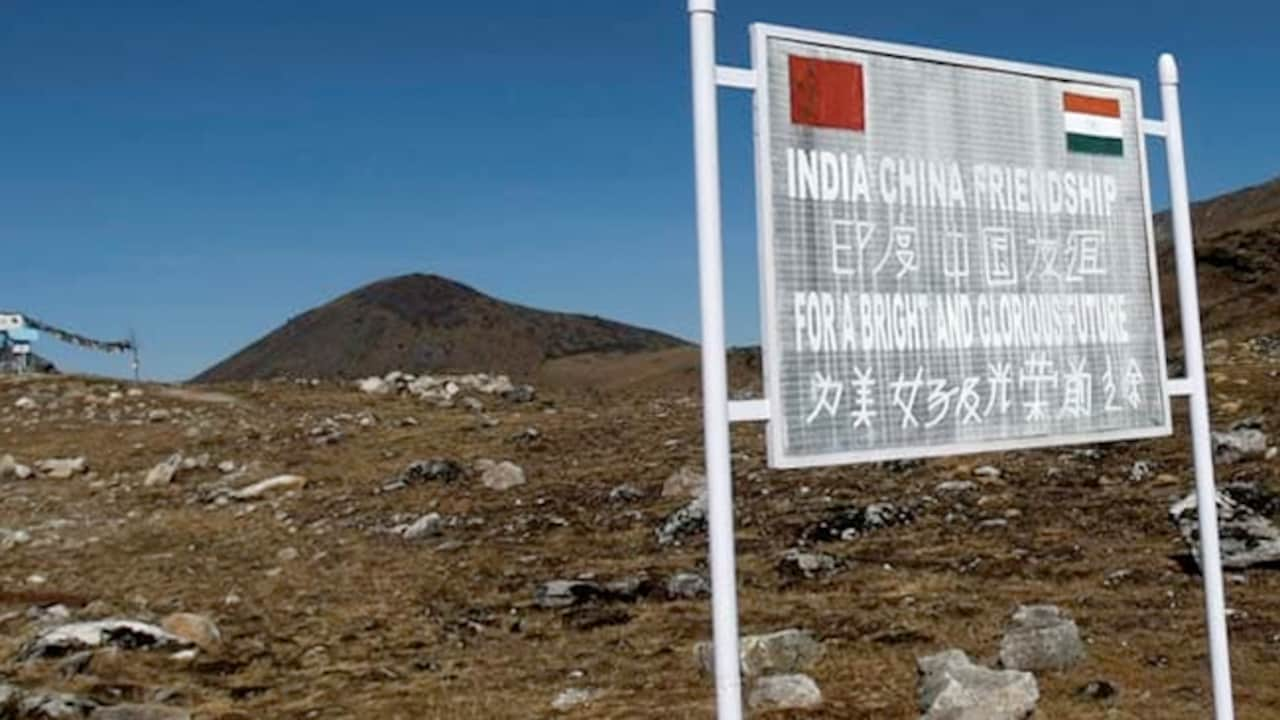
In a significant move to stabilize the volatile border region, Indian and Chinese military commanders have engaged in direct talks to cool rising tensions in Arunachal Pradesh. The primary objective of these negotiations is to define clear protocols for engagement, ensuring that routine patrols do not devolve into armed clashes. This diplomatic effort represents a concrete attempt to manage the friction that has characterized the border in recent months, prioritizing communication over confrontation.
The underlying tension stems from the complex geopolitical dynamics between the two nations, where strategic interests often clash with historical grievances. The institutional friction is palpable, as both militaries seek to assert their presence while avoiding a full-scale escalation that could have severe economic and political repercussions. The decision to meet and negotiate reflects a mutual recognition that the status quo is unsustainable and that a structured framework is necessary to prevent accidental war.
The tangible outcome of these talks is the potential for a more predictable border environment, which benefits not only the military but also the civilian populations living in the shadow of the conflict. By establishing clear lines of communication, the commanders aim to reduce the risk of miscalculation, a critical factor in maintaining regional stability. This development signals a shift towards a more managed rivalry, where dialogue serves as a buffer against the unpredictability of border incidents.
Comments 0