BREAKING | Right To Access & Use Internet A Fundamental Right Of Every Individual Including Children : Supreme Court
India’s Supreme Court ruled that the right to access and use the internet is a fundamental right for every person, including children. The judgment emphasizes that denying children internet access would be unreasonable and calls for policies that protect digital inclusion while safeguarding minors.
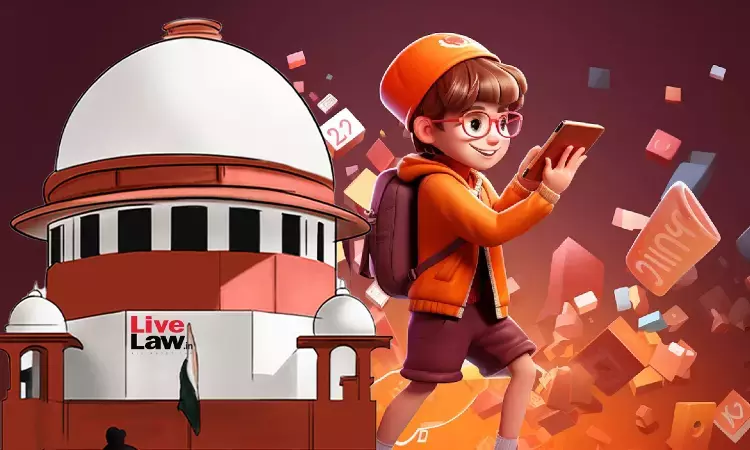
The apex court delivered its opinion after hearing a petition that sought recognition of internet access as a basic liberty under the Constitution. The bench referred to earlier decisions that have expanded the scope of fundamental rights to include education, information and privacy, and argued that the internet now serves as a primary source of those entitlements. By classifying online access as a right, the court placed the digital sphere on the same legal footing as traditional freedoms.
The ruling has immediate implications for schools, libraries and public service providers, all of which must now consider how to ensure that children can safely reach online resources. Experts note that many rural and low‑income families still lack reliable connectivity, and the decision could spur government programmes aimed at expanding broadband infrastructure. At the same time, the court stressed that the right does not override the need for age‑appropriate safeguards, urging legislators to craft rules that protect minors from harmful content while preserving their ability to learn and communicate.
In the weeks ahead, ministries are expected to draft guidelines that translate the court’s pronouncement into concrete policy. Lawmakers may introduce amendments to existing telecom and education statutes to reflect the new status of internet access. Observers will be watching how quickly regulatory bodies respond, and whether the decision leads to increased funding for digital inclusion projects across the country.
Comments 0