Brics Forum Issues Urgent Call for Restraint Amid West Asia Escalation
The BRICS forum has formally expressed deep concern over intensifying tensions in West Asia, urging all parties to exercise maximum restraint to prevent regional destabilization. This diplomatic intervention signals a coordinated attempt by emerging economies to insulate their strategic interests from the spillover effects of the Middle East conflict.
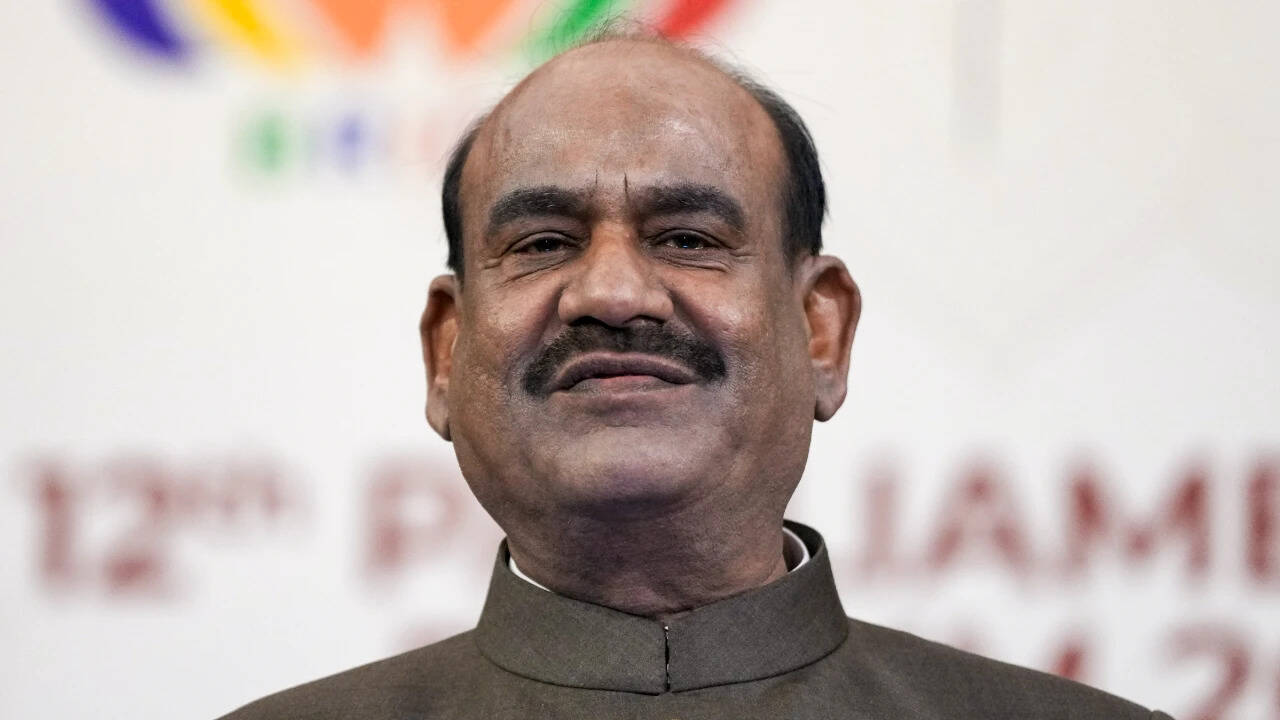
The diplomatic machinery of the BRICS grouping has moved to address the volatile security environment in West Asia, issuing a collective statement that prioritizes de-escalation. This formal communication marks a significant shift in the bloc's posture, moving from economic cooperation to active geopolitical engagement. The forum's leaders have identified the current tensions as a direct threat to global stability, demanding that all involved parties refrain from actions that could widen the conflict. This unified voice carries weight, as it represents the coordinated stance of major emerging economies that are increasingly influential in global security discourse.
The underlying tension stems from the bloc's desire to maintain strategic autonomy and protect its energy security. With several BRICS nations heavily dependent on West Asian oil supplies, the escalation poses a tangible risk to their economic stability. The call for maximum restraint is not merely a moral appeal but a strategic necessity to prevent supply chain disruptions and price spikes. The institutional friction here involves balancing the bloc's internal differences while presenting a united front against external pressures. This diplomatic maneuvering reflects a broader trend of non-Western powers seeking to shape international norms and conflict resolution mechanisms.
The downstream consequences of this diplomatic push are significant for regional actors and global markets. By framing the issue as a matter of global concern, the BRICS forum aims to isolate aggressive postures and encourage diplomatic solutions. This may influence the behavior of state and non-state actors in the region, who are now aware that their actions are being monitored by a powerful economic bloc. The tangible outcome is a heightened diplomatic pressure that could either dampen the conflict or, if ignored, lead to further economic and political isolation for those responsible for the escalation.
Comments 0