Britain Faces Massive Infrastructure Outlay to Rebuild Power Grid for Renewable Transition
The United Kingdom must commit over one hundred fifty billion pounds toward a comprehensive grid overhaul to integrate surging renewable energy generation. Without this massive capital injection, newly built wind and solar installations will remain disconnected from consumers, stalling the national decarbonisation agenda.
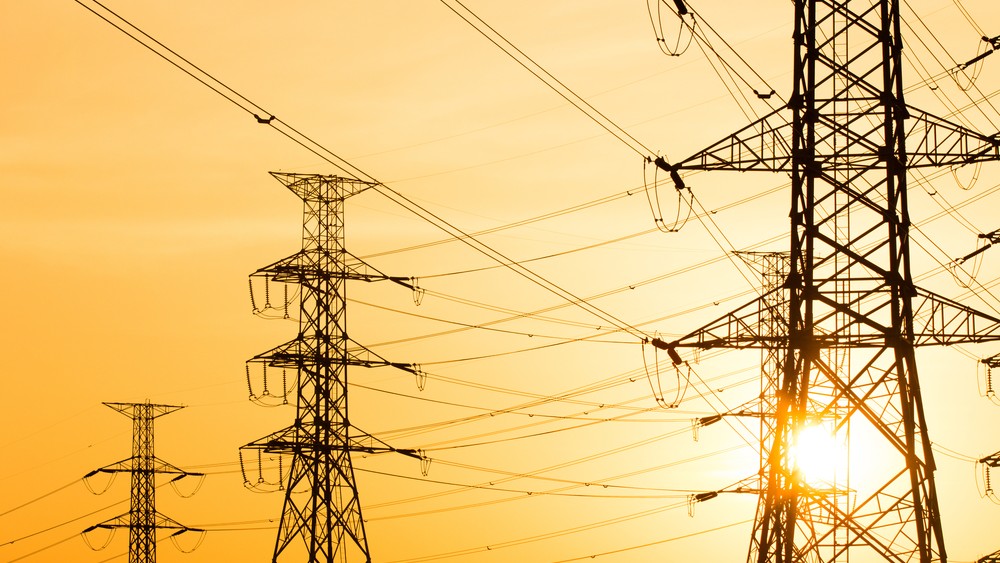
The British energy ecosystem stands at a structural precipice as the National Energy System Operator outlines the colossal financial requirements needed to modernise obsolete transmission lines. Decades of underinvestment have left the national grid incapable of handling decentralized power sources coming online across Scotland and the North Sea. Consequently, green energy developers frequently find their generation capped or completely curtailed because high-voltage pathways cannot physically absorb the incoming electricity. This infrastructural bottleneck exposes deep friction between ambitious legislative climate targets and the grim reality of engineering constraints. Bureaucratic delays in securing planning permissions for substations and pylons compound the crisis, leaving utility companies in financial limbo. Ratepayers ultimately shoulder the risk of these capital expenditures, generating intense public debate over how the state will finance such an astronomical transformation without exacerbating the cost of living crisis. Failure to execute this transmission overhaul on schedule will leave billions of pounds of renewable assets stranded, rendering national net-zero targets practically unattainable by the designated deadlines. Industrial manufacturers dependent on predictable, low-cost power may relocate operations to regions with more reliable energy infrastructure. Ultimately, the success or failure of this engineering undertaking will dictate the economic competitiveness of Britain for the remainder of the century.
Comments 0