British Wildlife Faces Multi-Year Ecological Deficit Following Severe Summer Droughts
Government environmental assessments indicate that British ecosystems have sustained severe damage from consecutive hot and dry weather cycles. Wildlife populations across England and Wales face prolonged recovery timelines as environmental incident thresholds are surpassed.
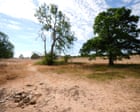
The shifting climate profile of northern Europe has introduced prolonged summer droughts that disrupt fragile terrestrial and aquatic ecosystems. Environmental protection agencies in the United Kingdom confirm that the frequency of damaging ecological incidents this year has outpaced previous historical records. Rivers, wetlands, and woodland habitats have experienced acute stress from sustained moisture deficits. The institutional response involves emergency habitat monitoring and water abstraction restrictions imposed on agricultural and industrial users. However, conservationists argue that these reactive measures fail to address the underlying structural vulnerability of British watersheds. Species dependent on wetland habitats face sustained population declines that will require decades of active ecological restoration to reverse. The tangible outcome is an escalating financial burden on environmental agencies tasked with mitigating habitat loss and preventing catastrophic wildfire events. Biodiversity targets set by the government are sliding further out of reach as ecological recovery lag times lengthen.
Comments 0