BRS Leaders Express Envy Over Bharat Summit Outcomes, TPCC Chief Claims
BRS officials voiced jealousy toward the recent Bharat Summit’s achievements, alleging political marginalisation. The statement hints at rising inter‑party tensions ahead of upcoming state elections.
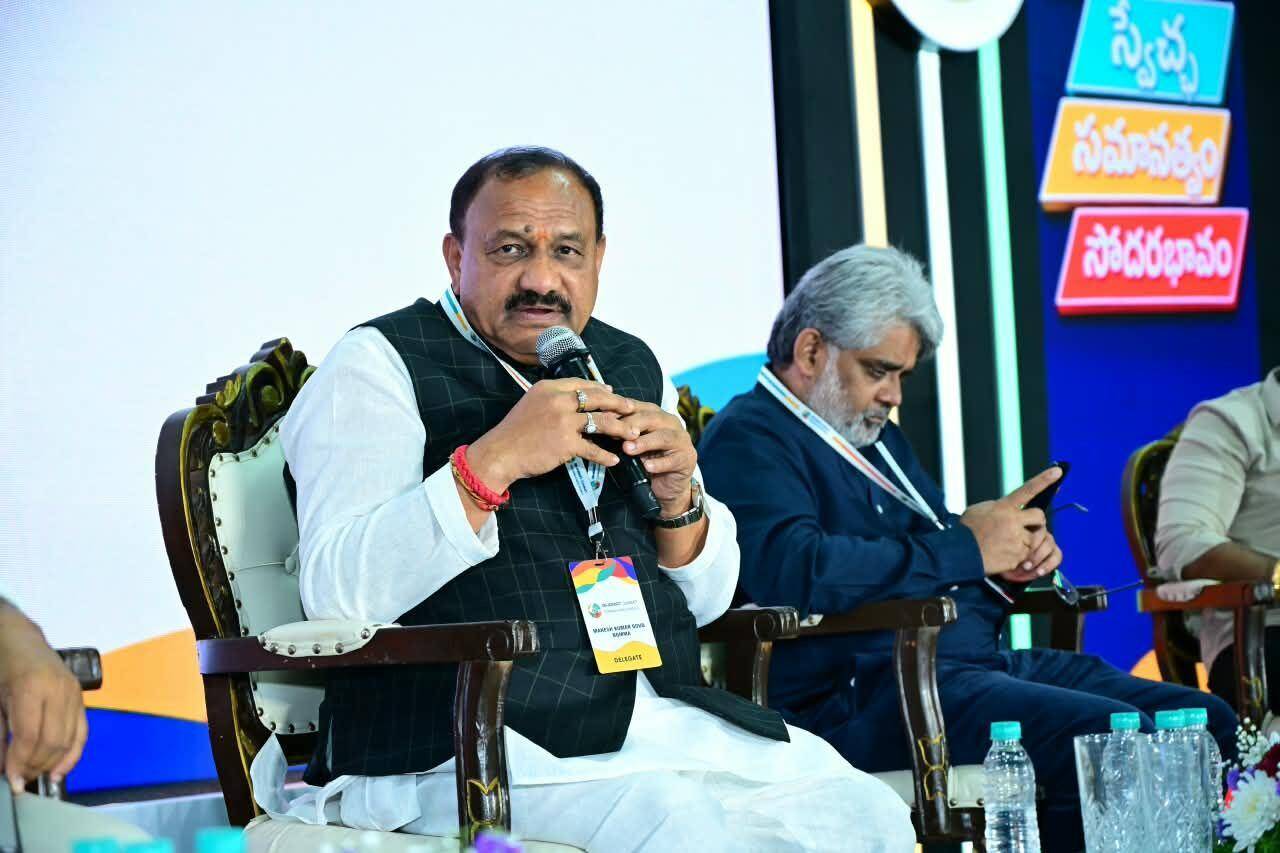
Leaders of the Bharat Rashtra Samithi (BRS) expressed open envy toward the recent Bharat Summit, a gathering that showcased a series of policy accords and economic pledges among several state governments. The TPCC chief, speaking at a press conference in Hyderabad, claimed that the summit’s outcomes marginalized the BRS’s contributions and highlighted a perceived bias in national attention. The remarks came shortly after the summit concluded with agreements on infrastructure financing and inter‑state trade facilitation, initiatives that the BRS argues could have been extended to include its own development agenda.
The BRS’s public dissatisfaction underscores growing inter‑party competition as regional leaders vie for influence over central policy decisions. Critics within the party warn that such rhetoric may alienate potential allies in the coalition, while opposition figures seize the moment to question the BRS’s strategic positioning ahead of upcoming state elections. The central government, meanwhile, has remained largely silent, opting to focus on the summit’s broader objectives rather than engage in intra‑party disputes. This dynamic reflects an underlying struggle for political capital within India’s federal framework.
If the BRS’s grievances persist, the party may intensify its lobbying efforts, seeking separate agreements that address its regional priorities, potentially fragmenting the consensus achieved at the summit. Such a scenario could lead to a re‑allocation of federal funds, influencing infrastructure projects across multiple states. Voter perception may also shift, with constituents evaluating the BRS’s ability to secure tangible benefits for their constituencies. Over the next twelve months, the tension could reshape coalition dynamics, affecting legislative agendas and the distribution of central resources.
Comments 0