Burning Paddy Straw Destroys 400 Kilograms of Soil Carbon, Experts Warn
Burning one tonne of paddy straw releases 400 kilograms of organic carbon, a practice that has become widespread among farmers in Punjab. The environmental cost may prompt regulatory pressure and a shift toward cleaner residue‑management technologies.
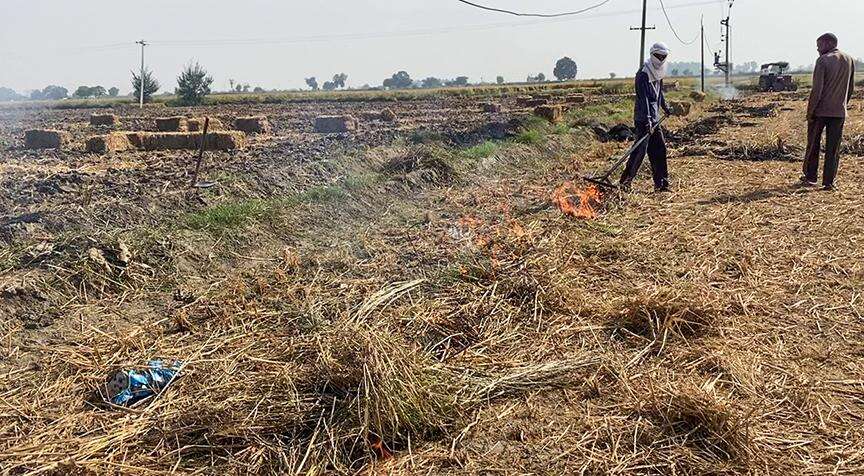
A study by Punjab Agricultural University’s experts warns that burning one tonne of paddy straw releases 400 kilograms of organic carbon into the atmosphere, a practice that has become widespread among farmers in the state. The residue‑burning technique, used to clear fields quickly before sowing the next crop, has been linked to severe air pollution and soil degradation. The study highlights the environmental cost of a habit that has persisted for decades.
Farmers rely on burning to remove crop residues efficiently, but the practice also releases particulate matter and greenhouse gases, contributing to regional smog and climate change. The lack of affordable alternatives has kept the practice entrenched, despite growing awareness of its ecological impact. Agricultural policy has yet to enforce stringent regulations, leaving farmers to balance economic constraints with environmental responsibilities.
The findings could prompt regulatory bodies to introduce stricter controls on residue burning, encouraging the adoption of mechanical shredders, bio‑char production, or cover cropping. Such measures would reduce carbon emissions and improve soil health, potentially affecting subsidy structures and carbon credit markets. In the coming months, the state may roll out incentive schemes for farmers who switch to cleaner residue‑management practices, reshaping the agricultural sector’s environmental footprint.
Comments 0