Buxar Pupils Mobilise Against Child Marriage in Rural Bihar
Schoolchildren in Buxar have joined a grassroots campaign to halt child marriages, confronting a practice that persists despite legal prohibitions. Their activism has drawn support from local NGOs and religious leaders.
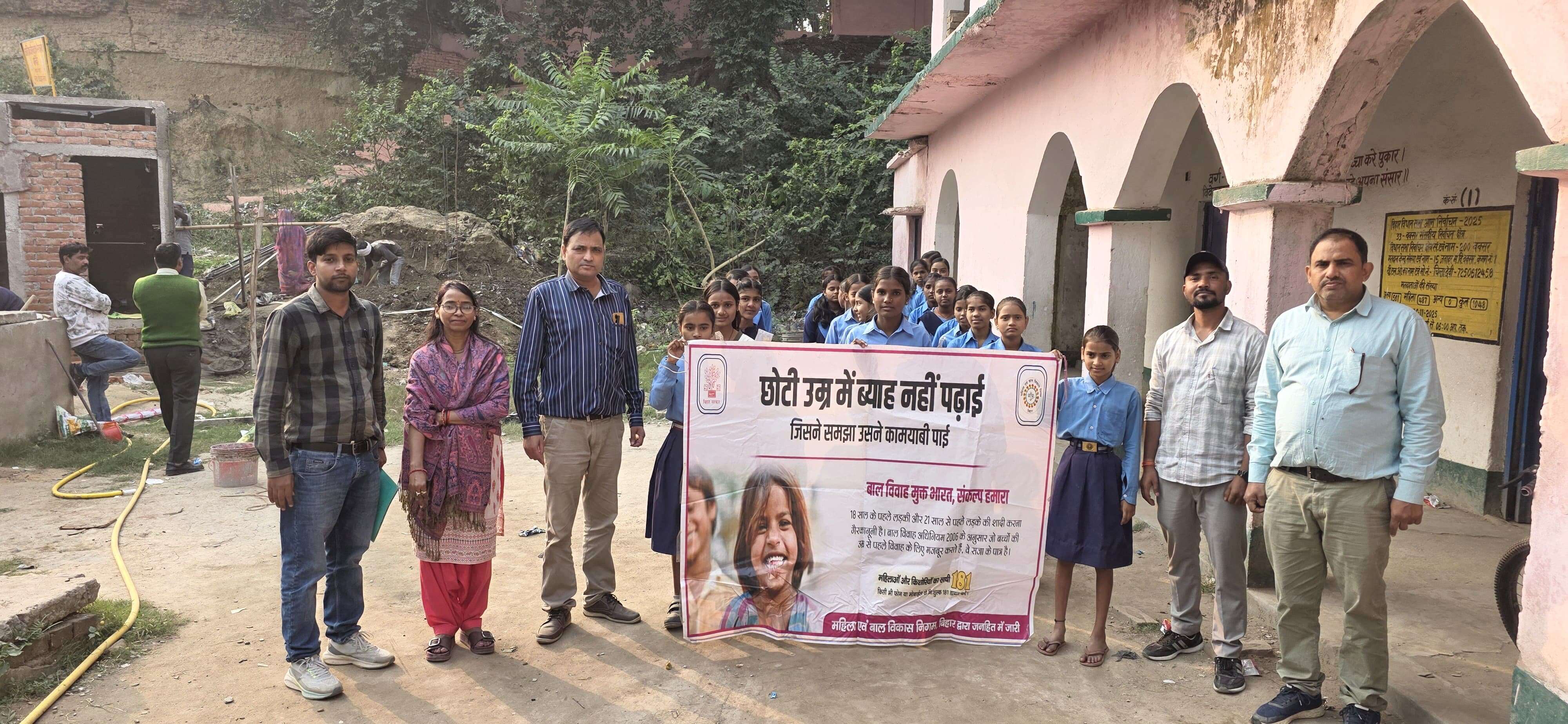
The concrete rupture in the social fabric of Buxar emerged when a group of students organized a public awareness rally, displaying banners that condemned early marriage and called for education as an alternative pathway. Their initiative coincided with a recent spike in reported child unions in the district, prompting community elders to reassess long‑standing customs. The students' efforts have been amplified by local non‑governmental organisations that provide counseling and legal assistance to at‑risk families.
Underlying tension lies in the clash between entrenched cultural norms and the state's legal framework, which sets the minimum marriage age at eighteen for women. Religious representatives and market vendors have pledged to discourage the practice, yet economic pressures and concerns about honour continue to drive families toward early unions. The campaign has sparked dialogue in village councils, where leaders are now weighing the social costs of child marriage against perceived benefits.
The downstream impact of the students' mobilisation could manifest as a decline in the number of child marriages, improved school attendance for girls, and a gradual shift in community attitudes toward gender equity. Success may also encourage similar youth‑led movements in neighboring districts, creating a ripple effect that strengthens enforcement of existing laws. However, resistance from conservative factions could provoke backlash, underscoring the delicate balance between advocacy and cultural sensitivity.
Comments 0