Capital Elite Cleared for Final Rolls While Marginalized Voters Face Livelihood Tests
Verification audits in New Delhi reveal a stark disparity in the electoral roll revision process. Prominent VIP voters experienced seamless validation, whereas ordinary citizens confront arduous administrative hurdles linking livelihood to franchise rights.
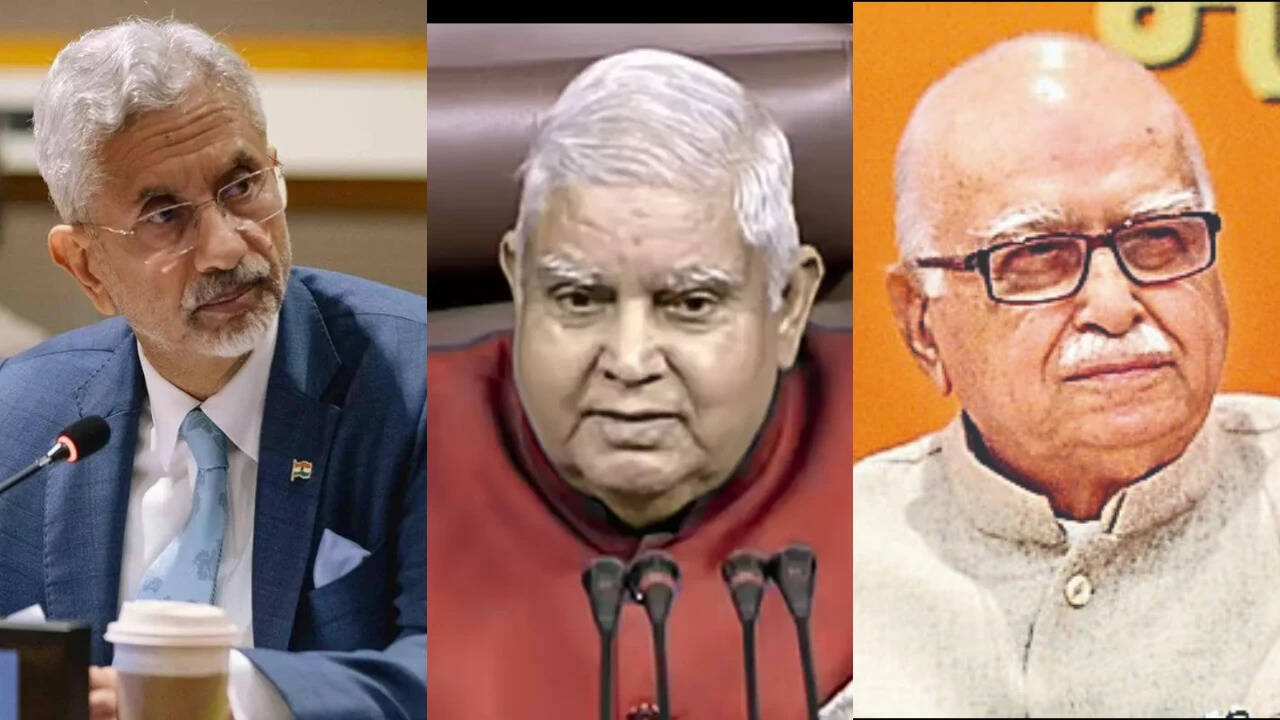
The execution of the Special Intensive Revision in New Delhi has exposed a glaring administrative dichotomy between the capital's affluent enclaves and its peripheral working-class settlements. While prominent public figures and high-profile residents reported swift, frictionless verification of their electoral details, citizens in informal settlements faced repeated bureaucratic hurdles. Special notices issued to marginalized workers frequently demanded documentation that threatened daily wage earnings, transforming basic civic verification into an ordeal of survival versus suffrage. The administrative friction underscores deep systemic biases within state machinery, where institutional responsiveness correlates directly with socio-economic privilege. Civil society groups point out that resource-constrained households bear a disproportionate burden of proof during roll revisions, risking disenfranchisement due to procedural illiteracy. The state electoral apparatus struggles to balance rigorous data cleaning with equitable access for vulnerable populations. The downstream consequence of this unequal verification process is a distorted electoral roll that potentially disenfranchises migrant workers and urban poor communities. This structural disparity guarantees heightened political litigation and undermines the foundational democratic principle of universal adult franchise in upcoming municipal and state contests.
Comments 0