CBI Seizes Rs 1.86 Crore in Cash and Precious Metals from CGST Superintendent
The Central Bureau of Investigation has recovered a substantial sum of cash, gold, and silver from the residence of an arrested CGST superintendent, highlighting the scale of corruption within the tax administration. This seizure underscores the ongoing efforts to crack down on illicit financial flows and restore integrity to the revenue system.
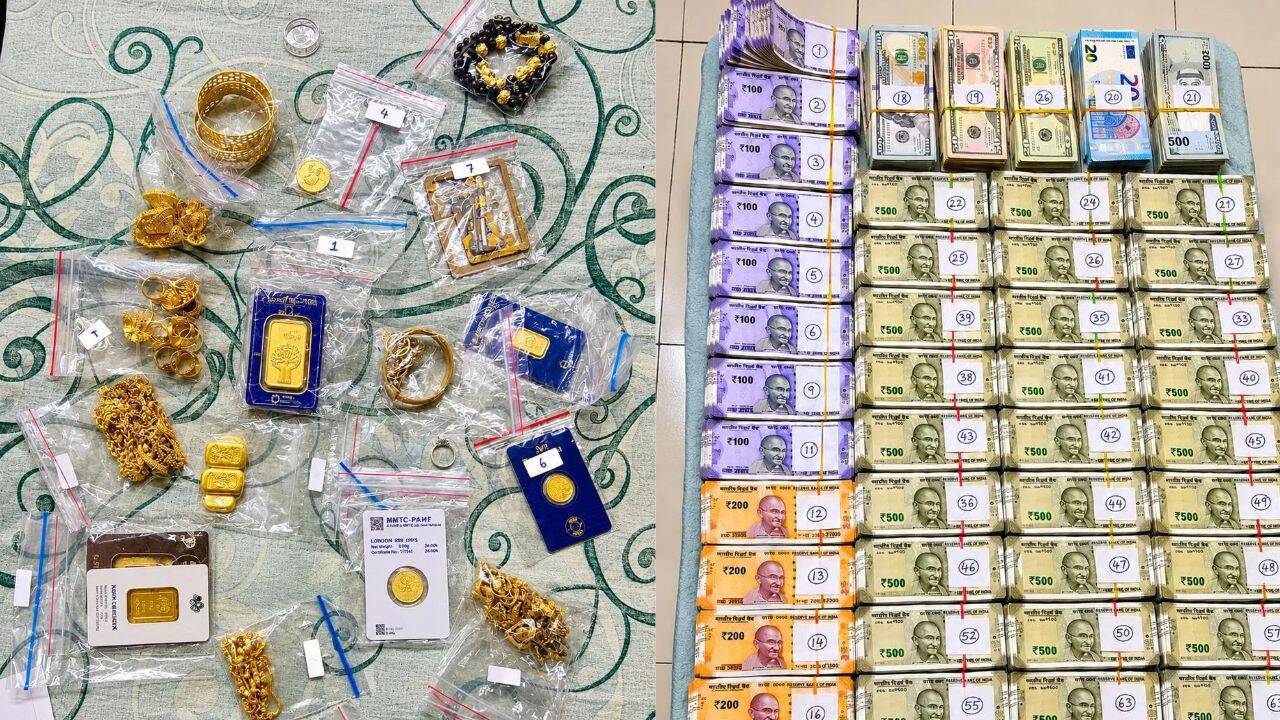
The recovery of Rs 1.86 crore in cash, gold, and silver from the home of a CGST superintendent marks a significant blow to the network of corruption that has plagued India's tax administration. The Central Bureau of Investigation's action reveals the extent to which officials have exploited their positions to amass illicit wealth, often through the manipulation of tax assessments and the facilitation of fraudulent claims. The immediate shockwave of this seizure is the public outrage and the renewed scrutiny of the CGST department's internal controls. The case highlights the vulnerability of the tax system to insider threats, where officials with access to sensitive data and decision-making power can engage in large-scale embezzlement without immediate detection.
The underlying tension in this case is the conflict between the state's mandate to collect revenue efficiently and the personal enrichment of those tasked with that duty. The CGST department, established to streamline the Goods and Services Tax system, has faced criticism for its bureaucratic inefficiencies and the lack of transparency in its operations. The institutional friction arises from the difficulty of monitoring the actions of thousands of officials across the country, many of whom operate in relative isolation from central oversight. The CBI's intervention suggests that the existing internal audit mechanisms were insufficient to detect and prevent such large-scale corruption, pointing to a systemic failure in the department's governance structure.
The downstream casualties of this corruption are the honest taxpayers and the broader economy, which suffers from the loss of revenue and the erosion of public trust in government institutions. The tangible outcome of the CBI's action is the potential recovery of funds that can be redirected towards public services and infrastructure development. However, the long-term impact will depend on the department's ability to implement robust anti-corruption measures, including the use of technology for real-time monitoring and the establishment of independent oversight bodies. This case serves as a warning to other officials and a call to action for the government to strengthen the integrity of its revenue administration.
Comments 0