CERC allows power projects to withdraw grid connectivity over prolonged delays
The Central Electricity Regulatory Commission has permitted power projects to withdraw from grid connectivity if they face prolonged delays. The move aims to provide relief to developers stuck in lengthy approval processes.
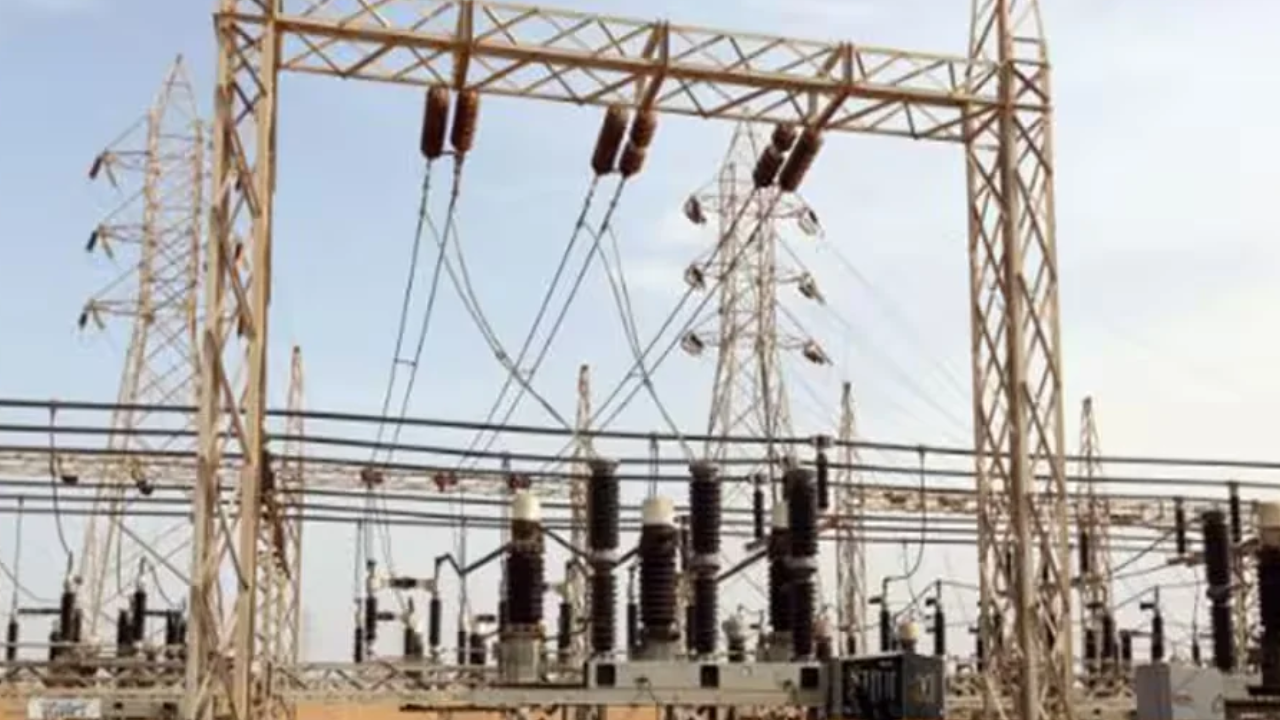
The CERC order allows developers of power plants to formally request disconnection from the national grid when they encounter delays that exceed a reasonable period, typically caused by pending clearances, land acquisition issues, or financial constraints. Under the new provision, developers must submit a detailed justification and a timeline for resolving the bottlenecks before the commission grants permission to withdraw. This flexibility is intended to protect investors from accruing additional costs while waiting for grid access that may not materialize in a timely manner.
Prolonged delays have been a persistent problem in India’s power sector, where projects often stall after receiving generation licenses but before securing transmission slots. The lack of grid connectivity can render a plant idle, leading to revenue loss and increased debt burden. By allowing withdrawal, the CERC hopes to encourage developers to either expedite the resolution of outstanding issues or re‑allocate resources to other viable projects. Critics argue that the policy could lead to under‑utilisation of existing capacity, but the regulator maintains that it balances the interests of developers with the need to keep the grid reliable.
For the broader Indian audience, the decision has implications for electricity supply stability and the pace of renewable energy expansion. If developers can exit stalled projects more easily, it may free up capital for new ventures that align with the country’s clean energy goals. However, the move also places responsibility on state authorities to address the root causes of delays, such as land disputes and environmental clearances, to prevent a rise in project withdrawals that could affect power availability.
Comments 0