Chandigarh and Mohali Test Emergency Protocols Amid Rising Air Raid Fears
Authorities in Chandigarh and Mohali have conducted drills to test emergency response mechanisms in the event of air raids. The exercises reflect a heightened state of alertness in the border region, underscoring the growing security concerns in the tri-state area.
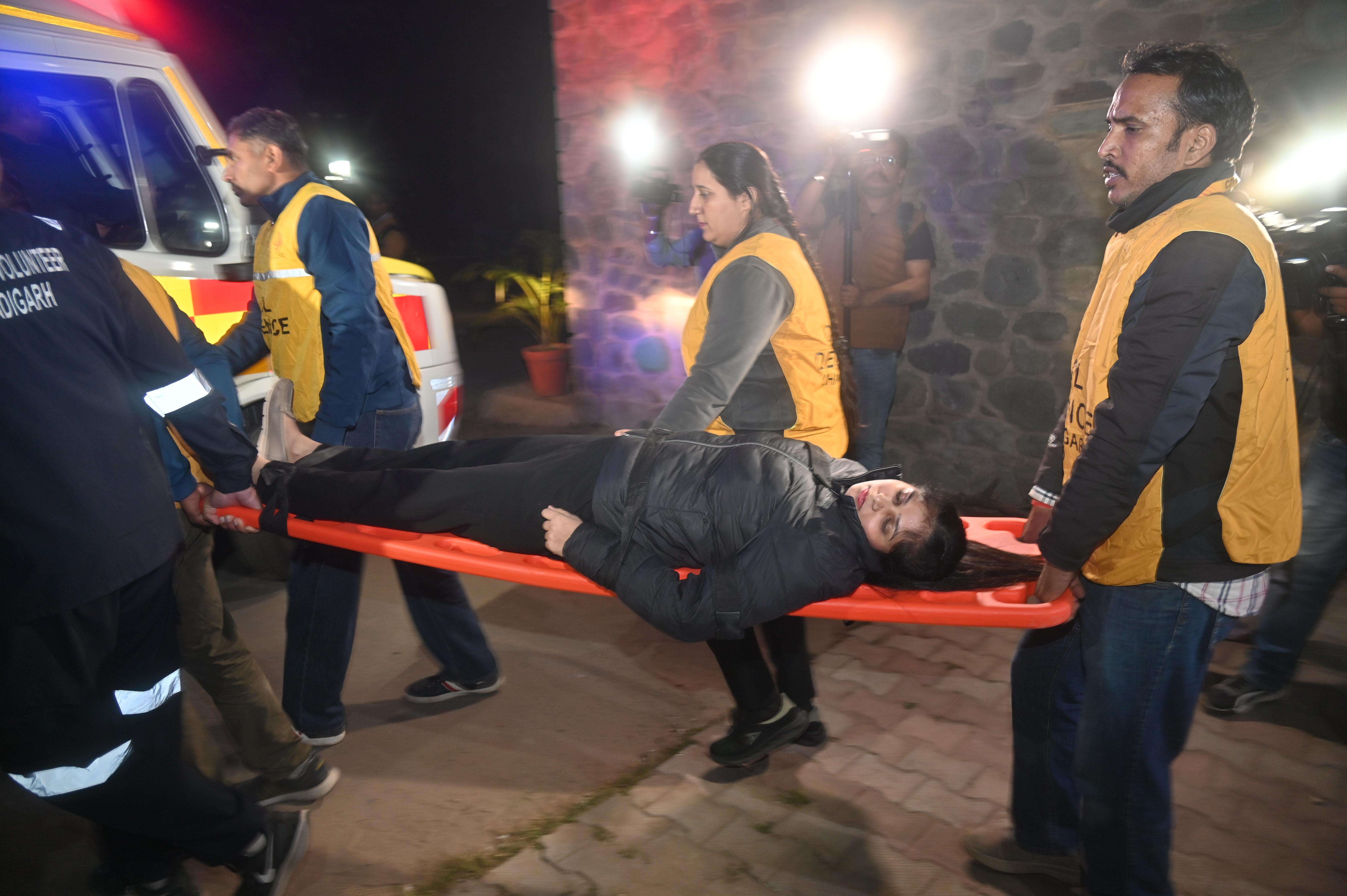
The conduct of air raid drills in Chandigarh and Mohali is a stark indicator of the changing security in northern India. These are not routine exercises but responses to a perceived and immediate threat, likely stemming from cross-border tensions. The focus on emergency response highlights the vulnerability of civilian infrastructure and the need for robust civil defense mechanisms in areas close to the international border. This is a tangible shift from passive defense to active civil preparedness.
The underlying tension is the intersection of military strategy and civilian life. The drills reveal the extent to which the state is preparing for a conflict scenario that could directly impact urban centers. This creates a climate of anxiety among residents, who are being asked to adapt to new safety protocols. The institutional friction lies in balancing the need for security with the disruption to daily life and the potential for over-reaction in a politically sensitive region.
The downstream impact is a reconfiguration of urban planning and emergency services in the region. Investments in shelters, communication systems, and medical facilities will likely increase. However, the constant state of alertness could have long-term psychological effects on the population. The tangible outcome is a more militarized civil administration, where security considerations take precedence over other governance priorities, potentially straining state resources and public trust.
Comments 0