Chandigarh Introduces Colour‑Coded Vendor Carts to Regulate Street Trade
The Chandigarh municipal corporation has unveiled a colour‑coded system for street vendor carts, aiming to bring order to informal markets and improve revenue collection. The move reflects a broader push to formalise urban commerce without displacing livelihoods.
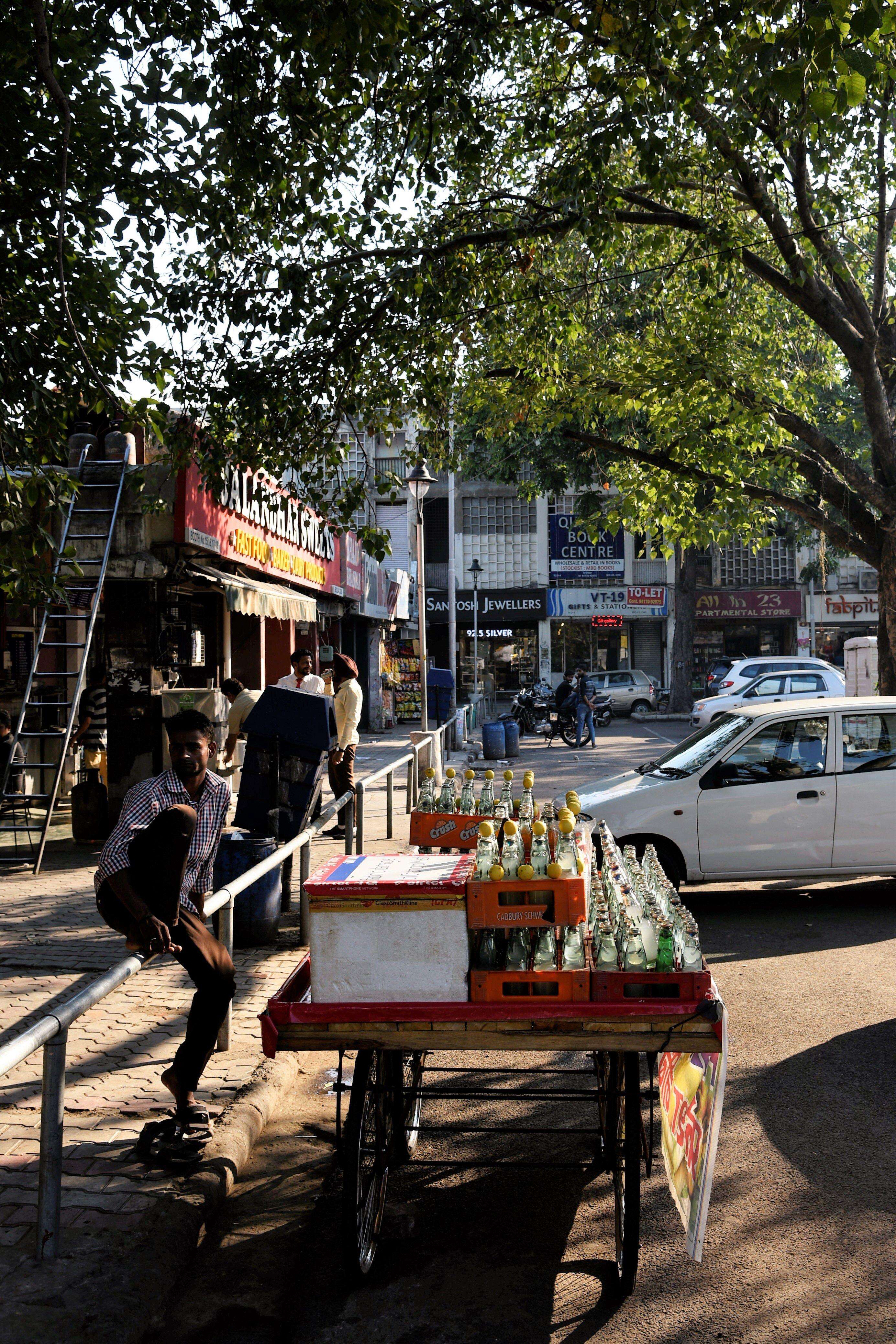
Under the new scheme, vendors will be assigned carts painted in distinct colours that correspond to specific zones, product categories, and licensing tiers. The visual coding is intended to simplify enforcement, allowing officials to quickly identify compliant traders and to target illegal setups. Municipal officials say the system will also facilitate data collection on the number of active vendors, enabling more accurate tax assessments and better allocation of public services such as waste management and security.
Small‑scale traders, who form the backbone of Chandigarh's bustling street economy, have voiced mixed reactions. While some appreciate the clarity the colour system provides, others fear that the categorisation could marginalise certain groups or increase operating costs. The city has pledged to subsidise the cost of new carts for low‑income vendors and to conduct outreach workshops that explain the new regulations. By integrating informal traders into the formal economy, the administration hopes to boost municipal revenues while preserving the vibrancy of street commerce.
Urban planners across India are watching Chandigarh's experiment closely, as many cities grapple with the challenge of regulating informal markets. If the colour‑coded approach proves effective, it could serve as a template for other municipalities seeking to balance order, revenue, and social equity. The initiative may also influence state‑level policies on street vending, potentially prompting legislative reforms that standardise vendor licensing across the nation.
Comments 0