Chandigarh Wildlife Survey Urges Aggressive Eradication of Invasive Species
A comprehensive wildlife survey conducted in the Union Territory of Chandigarh has recommended urgent restoration of native flora and wetlands. Environmental experts stressed the necessity of eradicating invasive plant species to protect declining local biodiversity.
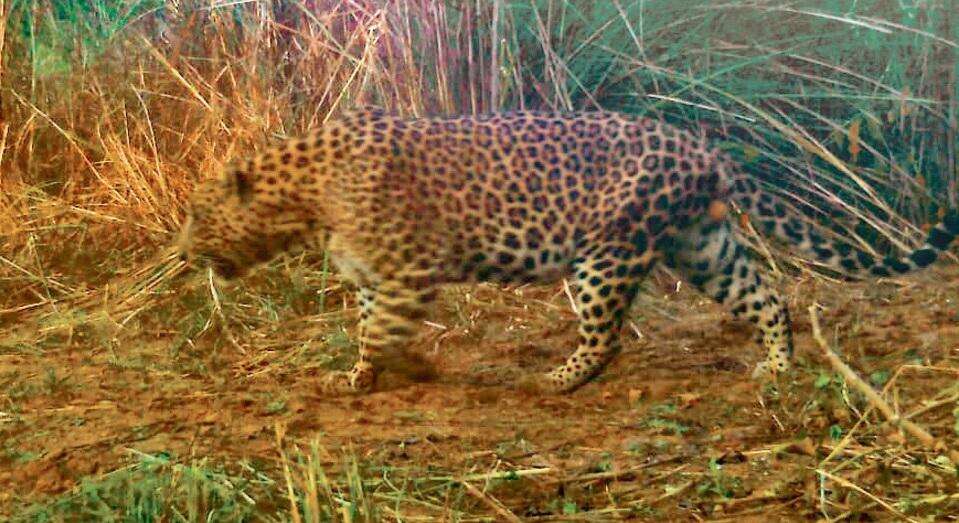
The urban ecosystem of Chandigarh faces a silent ecological crisis, according to the findings of a newly released wildlife and habitat survey. Environmental scientists documented a sharp decline in native flora and wetland acreage, driven largely by the unchecked proliferation of aggressive invasive plant species. The report urges municipal authorities to abandon passive conservation models in favor of aggressive, sustained ecological restoration efforts. The core tension lies in the conflict between manicured urban forestry and natural habitat preservation. Municipal administrators have historically favored aesthetic landscaping with non-native ornamental species over the messy, resource-intensive maintenance required for indigenous wetlands and forests. Consequently, local fauna face severe habitat fragmentation and food scarcity within urban sanctuaries. The downstream casualty of this administrative neglect is the steady erosion of regional biodiversity, particularly migratory bird populations and indigenous aquatic life. Implementing the survey's recommendations will require significant budgetary allocations and inter-departmental coordination between forestry and urban planning wings. Without immediate intervention, Chandigarh risks losing the ecological equilibrium that defined its original urban design.
Comments 0