Char Dham Helicopter Operators Threaten Service Halt Over Two‑Pilot Mandate
Pilots operating charter flights to the Char Dham pilgrimage sites announced a suspension of services unless the newly imposed two‑pilot rule is reconsidered. The threat has raised concerns about tourism revenue and regional connectivity in the Himalayan corridor.
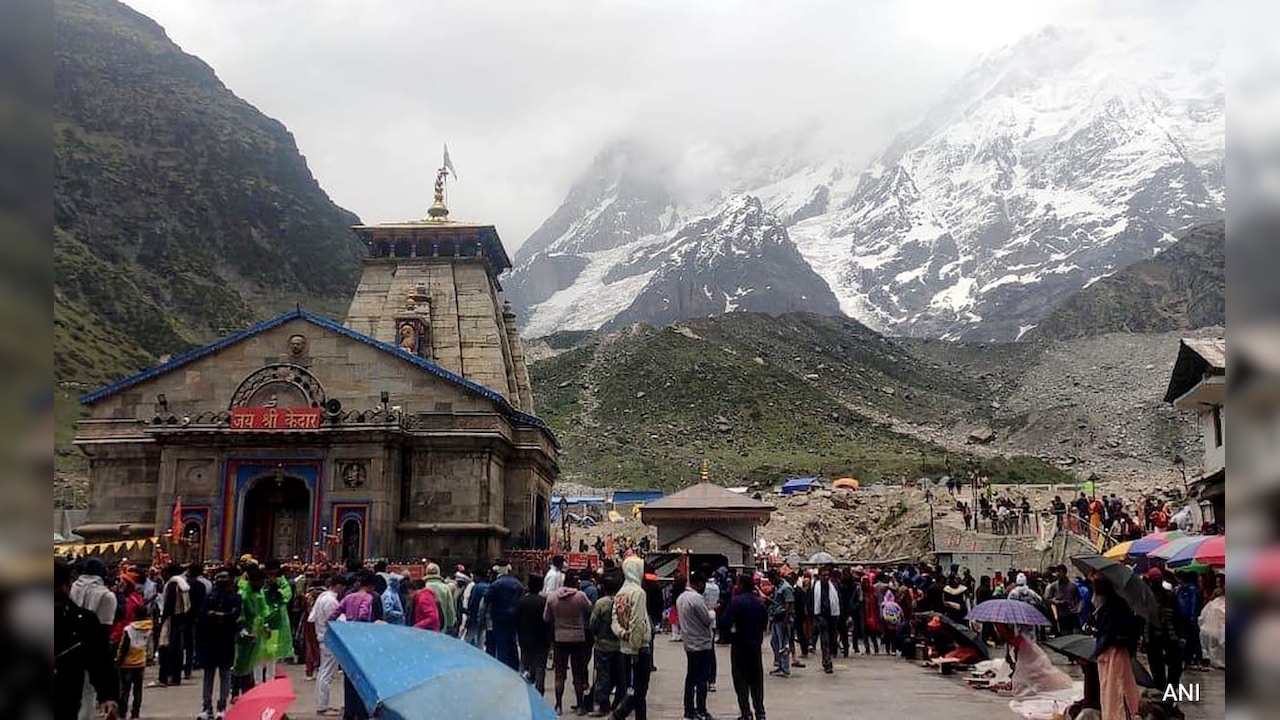
The operators, representing a coalition of private aviation firms, convened in New Delhi to articulate the financial strain imposed by the directive requiring two pilots on each charter flight. They argued that the additional crew member significantly raises operating costs, a burden that many small carriers cannot absorb without raising ticket prices beyond the reach of most pilgrims. Their statement warned that, should the rule remain unchanged, they would halt all flights to the sacred sites of Badrinath, Kedarnath, Gangotri and Yamunotri.
Underlying this dispute is a broader regulatory push by the Directorate General of Civil Aviation to enhance safety standards in high‑altitude operations. While the government maintains that the rule aligns with international best practices, industry stakeholders contend that the unique topography and seasonal demand patterns of the Char Dham region render the mandate economically untenable. The friction highlights a classic clash between safety imperatives and the livelihood of regional service providers, a tension that has surfaced in other sectors such as mountain rescue and remote logistics.
The potential suspension of helicopter services threatens to curtail the flow of pilgrims, a vital source of income for local economies dependent on tourism. Hotels, transport vendors, and ancillary businesses could face a sharp decline in revenue during the peak pilgrimage season, exacerbating unemployment in already vulnerable mountain communities. Moreover, the disruption may prompt the Ministry of Tourism to revisit its policy framework, possibly introducing subsidies or alternative safety measures to preserve the delicate balance between security and accessibility.
Comments 0