Chhattisgarh High Court Rules Unused 1894 Land Cannot Be Restituted
The Chhattisgarh High Court held that land acquired under the 1894 Land Acquisition Act, if left unutilised, does not generate a right to restitution for the original owners. The judgment clarifies a long‑standing ambiguity that has plagued land‑acquisition disputes in the state.
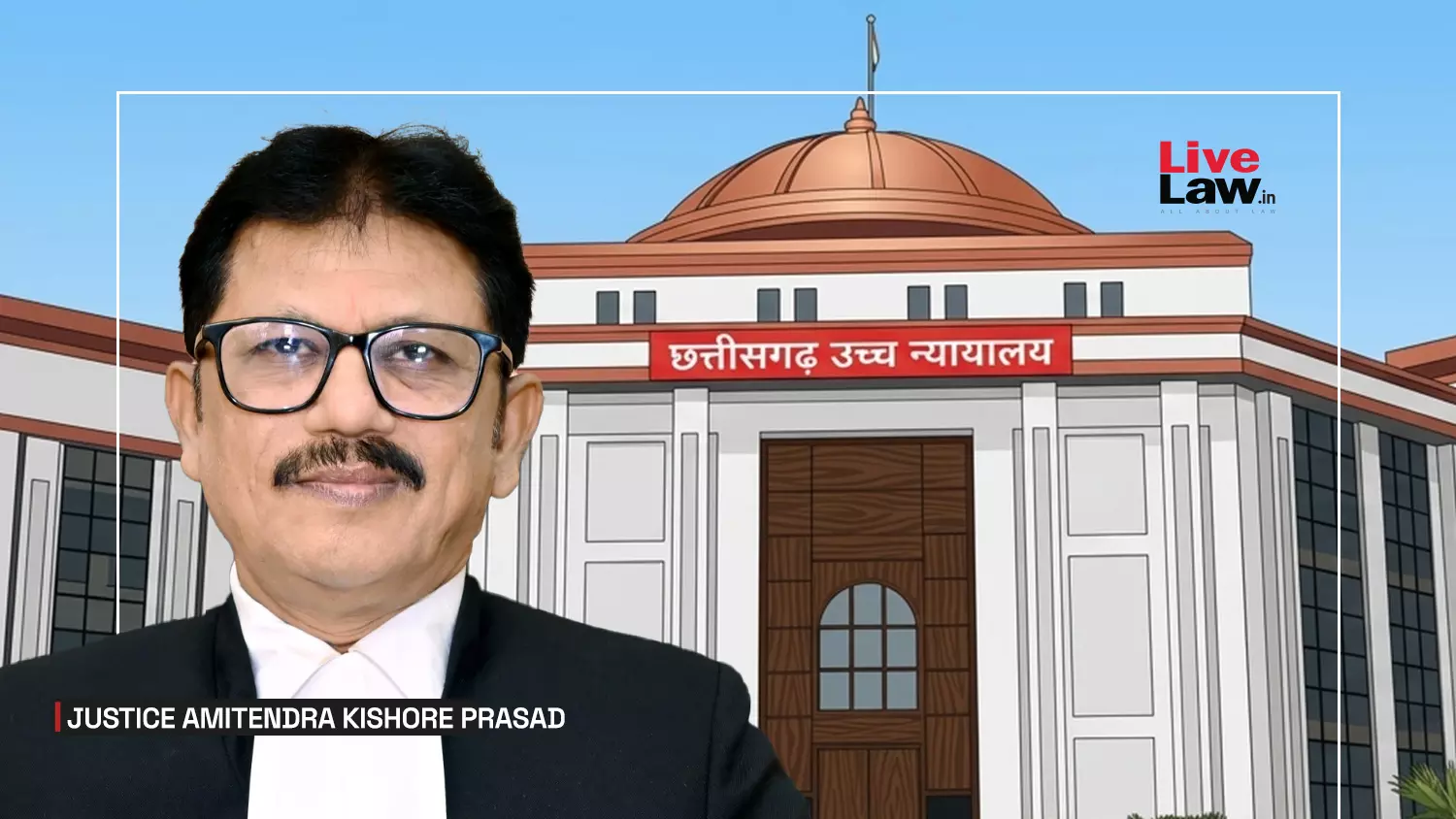
The concrete rupture was delivered when the bench examined a petition by aggrieved landowners who claimed that the failure to develop land acquired decades ago entitled them to compensation or return of the property. The court, invoking the colonial‑era statute, observed that the act’s purpose was to enable public projects, not to create perpetual ownership rights for the state, and that non‑use does not automatically trigger restitution. By anchoring its reasoning in statutory intent, the judgment set a clear legal boundary for future claims.
Underlying tension stems from the legacy of the 1894 Act, which continues to govern many acquisitions in central India despite the existence of newer legislation. Landowners have long argued that the state’s neglect of development projects should restore their rights, while governments contend that the act does not obligate them to return idle land. The High Court’s decision therefore resolves a friction point between private property interests and the state’s prerogative to retain land for potential public use, a balance that has been contested in numerous lower courts.
The downstream consequences will reverberate through pending litigation across Chhattisgarh and neighboring states that rely on the same legal framework. Government agencies may now feel emboldened to retain unutilised parcels without fearing restitution claims, potentially accelerating the re‑allocation of such lands for future infrastructure. Conversely, landowners may seek legislative amendment rather than judicial relief, prompting political debate over land‑acquisition reforms. In the next twelve months, the ruling is expected to reduce the volume of restitution suits, thereby easing the burden on the judiciary.
Comments 0