China's Lithium Ambition: Battery Factories Positioned Above Critical Mineral Deposits
New geological surveys suggest that China's dominant battery manufacturing facilities may be situated directly above significant lithium resources, potentially consolidating its control over the entire electric vehicle supply chain. This strategic alignment could further entrench China's position as the global leader in alternative energy technology and critical mineral processing.
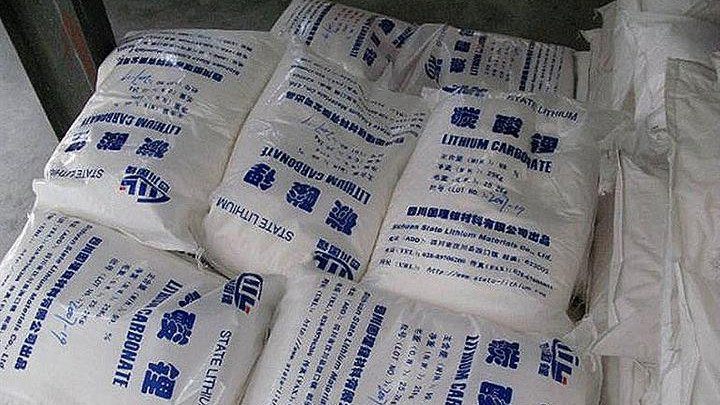
The revelation that China's largest battery factories may be built atop substantial lithium deposits marks a significant shift in the global energy . As the world's leading producer and consumer of batteries, China's ability to secure a direct supply of this critical mineral would eliminate its dependence on imported raw materials, thereby strengthening its dominance in the electric vehicle and renewable energy sectors. This strategic positioning is not merely an economic advantage but a geopolitical one, as it reduces the leverage that other lithium-rich nations hold over China's industrial ambitions. The discovery underscores the country's long-term planning to control every link in the value chain, from mining to manufacturing.
The underlying tension in this development is the growing competition for critical minerals among major powers, particularly the United States and the European Union, which are seeking to diversify their supply chains away from China. China's move to secure domestic lithium resources is a direct response to these efforts, aiming to maintain its cost advantage and technological lead. The friction is further compounded by the environmental and social costs of lithium mining, which have become a focal point of international scrutiny. China's ability to manage these challenges while expanding its mining operations will be a key factor in its long-term sustainability and global reputation.
The downstream consequences of China's lithium dominance are profound for the global energy transition. If China successfully integrates its mining and manufacturing capabilities, it could drive down the cost of batteries and electric vehicles, accelerating the adoption of clean energy technologies worldwide. However, this also means that other nations will remain dependent on China for critical components, limiting their ability to develop independent energy strategies. The long-term impact is a more concentrated and less resilient global supply chain, with China at its center, posing significant risks to energy security for other major economies.
Comments 0