China's Strategic Gas Stockpiles Buffer Against Winter Shortages
China has successfully built up sufficient natural gas inventories ahead of the winter season, a strategic move made in response to supply disruptions caused by the Iran war. This early accumulation by the world's top LNG importer aims to mitigate the risk of energy shortages during the peak demand period.
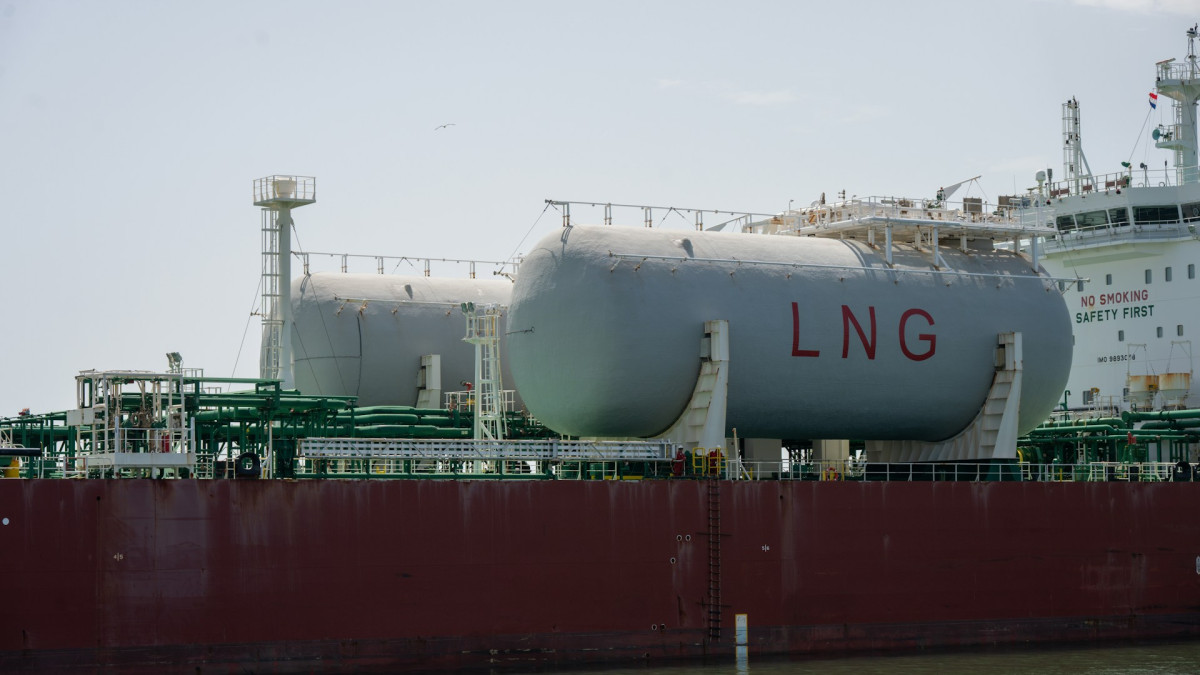
The concrete rupture is the successful execution of a massive logistical operation: the filling of China's underground gas storage facilities. This is not a passive accumulation but an active, strategic response to a geopolitical crisis. The Iran war has disrupted global energy flows, creating a volatile market. By acting early, Chinese buyers have insulated their domestic market from the immediate shock of supply cuts. The immediate shockwave is a stabilization of domestic energy prices, preventing the kind of inflationary spiral that could disrupt industrial production and consumer heating. This move demonstrates the efficacy of state-directed energy policy in times of crisis.
The underlying tension is the balance between domestic consumption needs and global market dynamics. As the top LNG importer, China's purchasing behavior has a ripple effect on global prices. The friction here is between the desire to secure domestic stability and the impact on other importers who may face higher prices due to China's early buying. This institutional friction is a hallmark of great power competition in the energy sector. China is leveraging its market size to gain a strategic advantage, ensuring that its industrial base remains powered while competitors struggle with supply constraints. The decision to stockpile early reflects a long-term view of energy security that prioritizes domestic resilience over short-term cost efficiency.
The downstream casualties are the smaller importers who are left to compete for the remaining supply in a tightened market. The tangible outcome is a more secure winter for Chinese consumers and industries, but it comes at the cost of global market volatility. The 12-month structural consequence is a permanent shift in global LNG trading patterns, where major importers like China will continue to build larger strategic reserves to hedge against geopolitical risks. This will lead to a more fragmented and less liquid global gas market, where prices are more sensitive to the actions of a few large players. The result is a world where energy security is a matter of national strategy, not just commercial calculation.
Comments 0