Chinese Battery Imports Keep Accelerating Into Indian Auto Market
India’s automotive sector has witnessed a sharp rise in Chinese lithium‑ion battery shipments, intensifying competition for domestic manufacturers. The influx threatens to reshape pricing dynamics and supply‑chain dependencies for electric‑vehicle producers.
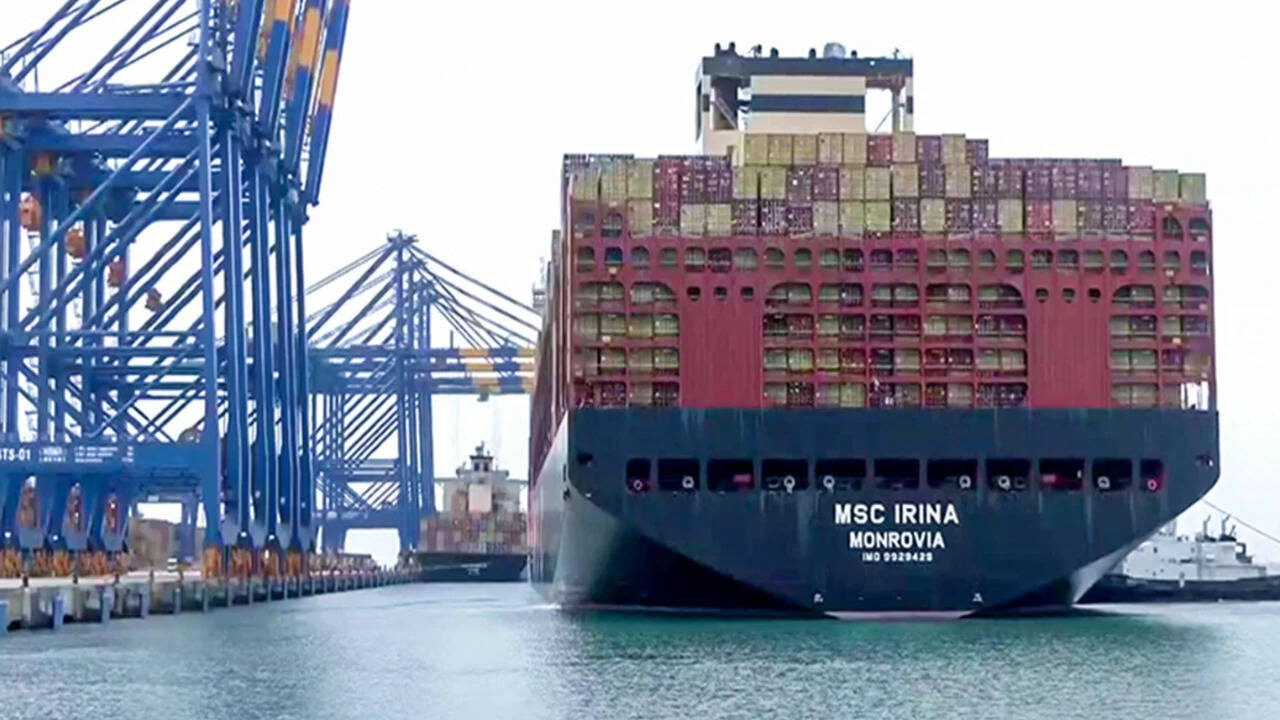
Data from customs officials indicate that imports of Chinese-made battery packs have risen by more than 30 percent over the past quarter, outpacing growth in other components such as motors and inverters. The surge is driven by aggressive pricing strategies from Chinese firms, which are able to leverage economies of scale and government subsidies to undercut Indian producers. Major Indian automakers have begun negotiating bulk contracts with these suppliers to secure volume, while some have announced plans to establish joint‑venture assembly lines within the country to mitigate tariff exposure.
The underlying tension stems from policy debates within the Ministry of Heavy Industries, where officials are torn between protecting nascent domestic battery manufacturers and meeting the urgent demand for affordable electric‑vehicle components. Industry lobbyists argue that excessive protectionism could delay the rollout of EVs, whereas local manufacturers warn that unchecked imports could erode their market share and stifle innovation. The government’s recent amendment to the Foreign Direct Investment policy, allowing higher foreign ownership in battery plants, reflects an attempt to balance these competing interests.
Consequences are already visible on the showroom floor, where several EV models have seen price reductions of up to 12 percent, making them more accessible to middle‑class consumers. However, reliance on foreign supply chains raises concerns about vulnerability to geopolitical disruptions, especially given recent trade frictions between India and China. Analysts forecast that unless domestic capacity expands rapidly, India may become increasingly dependent on imported battery technology, influencing the nation’s broader clean‑energy transition.
Comments 0