Citizen Conservation in Devon: Children Recruited as Captive Breeders to Rescue Endangered Harvest Mice
Conservationists in the United Kingdom launched a novel citizen-science initiative inviting local teenagers to breed and rear harvest mice at home for wild release. The grassroots program aims to reverse steep population declines across southwestern farmlands.
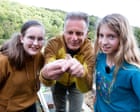
In a radical departure from traditional institutional wildlife management, British conservation organizations have turned suburban households into front-line breeding stations for endangered harvest mice. Teenagers across Devon are receiving breeding pairs into their homes, tasked with rearing two hundred and fifty of the tiny mammals under controlled domestic conditions prior to a synchronized autumn release. The initiative seeks to bypass the spatial and financial constraints plaguing conventional zoological breeding facilities. This democratization of wildlife conservation highlights growing despair over the failure of industrial agricultural policies to protect micro-fauna habitats. Modern intensive farming practices, pesticide use, and hedgerow destruction have decimated indigenous rodent populations that form a vital link in local avian and reptilian food webs. By embedding conservation directly into domestic routines, project organizers hope to a generation of ecologically literate citizens while directly augmenting wild gene pools. Critics raise valid biosecurity and animal welfare concerns regarding domestic breeding protocols, questioning the survival rates of captive-reared mice introduced into competitive agricultural landscapes. However, early pilot phases indicate surprisingly high husbandry success rates among participating youth volunteers. The project establishes a functional blueprint for decentralized, community-driven biodiversity recovery in regions abandoned by state conservation funding.
Comments 0