CJI Surya Kant Calls for Judicial Introspection on Responsiveness
Chief Justice of India Surya Kant has urged the judiciary to introspect and improve its responsiveness to the public. This call for institutional self-assessment highlights the growing pressure on the legal system to address backlogs and deliver timely justice.
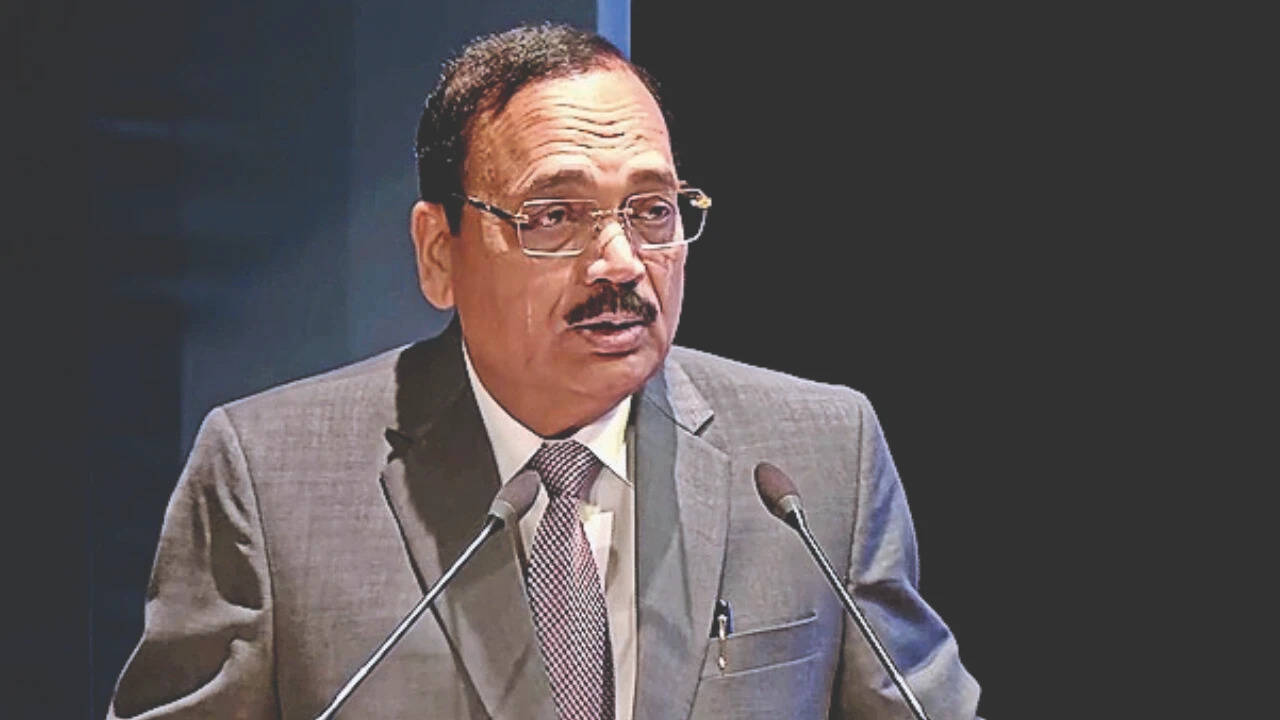
The concrete rupture is the public acknowledgment by the head of the judiciary that the system requires internal reform. Chief Justice Surya Kant's call for introspection is a rare moment of institutional candor, admitting that the current pace of justice delivery is insufficient for the needs of a rapidly growing nation. This statement shifts the focus from external criticism to internal accountability, placing the burden of reform squarely on the shoulders of the judicial apparatus itself.
The underlying tension is the structural mismatch between the volume of cases and the resources available to the judiciary. The call for improved responsiveness is not merely a rhetorical gesture but a recognition that the delay in justice is a form of injustice. The institutional friction arises from the rigid hierarchies and procedural complexities that often slow down the resolution of cases, creating a backlog that erodes public trust in the legal system.
The downstream casualties are the litigants who wait for years for a verdict, often losing their livelihoods or their lives in the interim. The tangible outcome is a potential push for digital transformation and case management reforms within the courts. However, the deeper consequence is a redefinition of the judiciary's role, from a passive arbiter to an active manager of justice, where efficiency is valued as highly as legal correctness.
Comments 0